
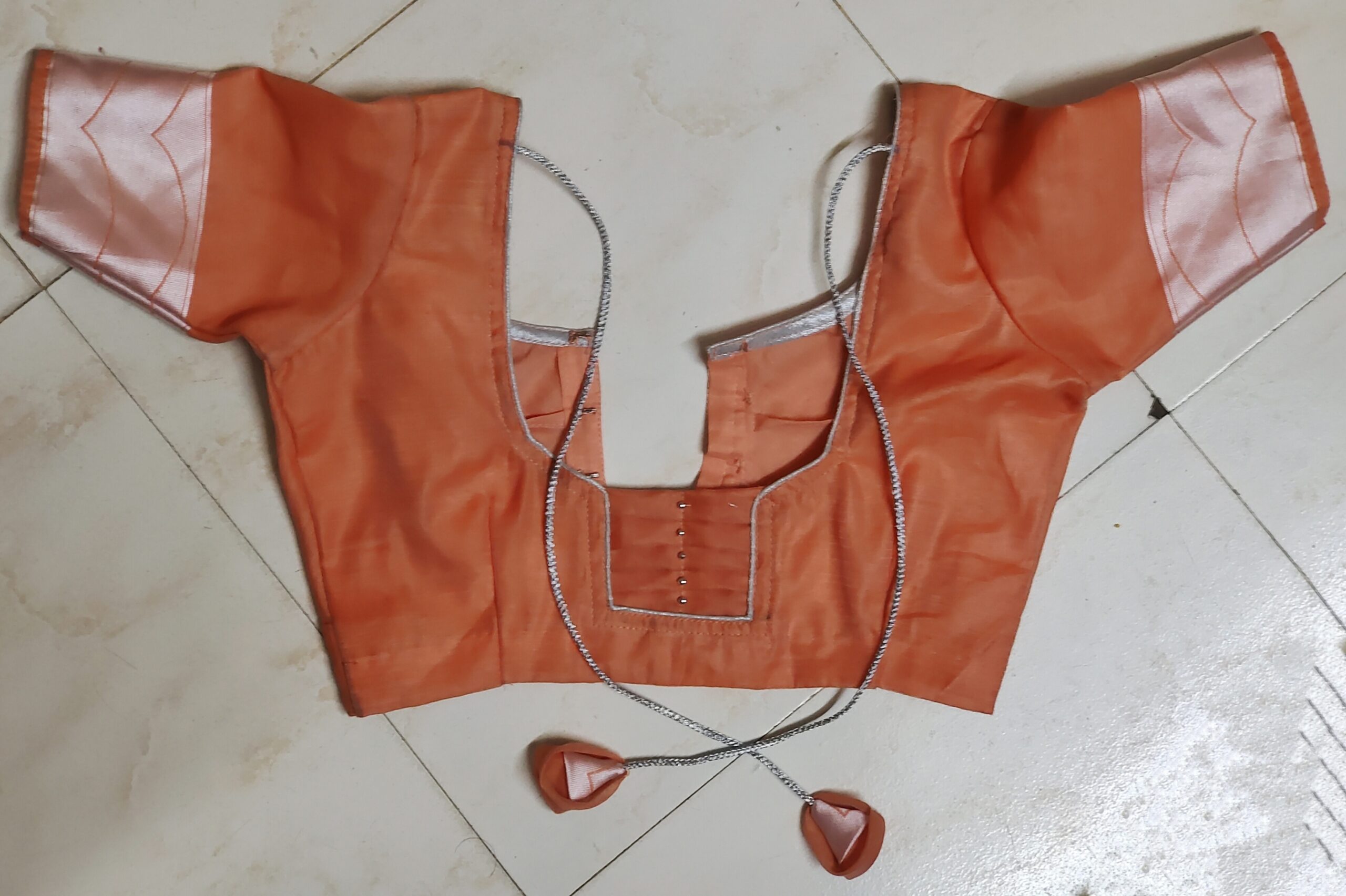
A Timeless Craft
Stitching is one of the oldest and most essential skills in textile and garment making. From simple hand-sewn stitches to intricate machine embroidery, stitching plays a crucial role in fashion, home décor, and artistic expression. Whether you are a beginner learning the basics or an expert exploring advanced techniques, stitching remains an invaluable craft that blends creativity with functionality.
In this blog post, we will explore the history of stitching, different types of stitches, techniques used in sewing, and its modern applications.
History of StitchingThe history of stitching dates back thousands of years, with early evidence found in prehistoric clothing made from animal skins. Ancient civilizations like the Egyptians, Greeks, and Chinese developed stitching techniques to create intricate garments and decorative fabrics. Over time, stitching evolved with technological advancements, leading to the invention of sewing machines and computerized embroidery.
Types of StitchingStitching can be broadly categorized into two types: hand stitching and machine stitching. Each type has its unique applications and techniques.
- Hand StitchingHand stitching is a traditional method where a needle and thread are used to sew fabric together. Some of the most common hand stitches include:
Running Stitch: A basic stitch used for temporary or decorative seams.
Backstitch: A strong and durable stitch used for seams that require reinforcement.
Chain Stitch: Often used in embroidery to create intricate patterns.
Blanket Stitch: This is Commonly used for finishing fabric edges and decorative sewing.
Whip Stitch: Ideal for joining fabric pieces with a neat, invisible seam.
Hand stitching is widely used in embroidery, quilting, and couture sewing, where precision and craftsmanship are key. - Machine StitchingMachine stitching is a faster and more efficient method of sewing, used for garment construction and industrial applications. Some common machine stitches include:
Straight Stitch: This is the most basic and commonly used stitch for sewing seams.
Zigzag Stitch: Useful for finishing raw fabric edges and decorative patterns.
Overlock Stitch: Used in sergers to create strong, professional-quality seams.
Decorative Stitch: Includes embroidery-style stitches to enhance fabric design.
Blind Hem Stitch: Ideal for hemming garments with an almost invisible finish.
Techniques Used in Stitching1. Basic Sewing TechniquesSeam Allowance: The extra fabric left at the edge of a seam to provide durability.
Hemming: Folding and sewing fabric edges to prevent fraying.
Darts and Pleats: Used to shape garments and add structure.
Topstitching: A visible, decorative stitch that reinforces seams. - Embroidery and Decorative StitchingHand Embroidery: Includes satin stitch, cross-stitch, and French knots for artistic designs.
Machine Embroidery: Uses programmed designs to create intricate patterns.
Appliqué Stitching: Attaching fabric pieces to create layered designs. - Advanced Stitching MethodsPatchwork and Quilting: Combining fabric pieces into creative patterns.
Smocking: Gathering fabric into pleats and securing them with decorative stitches.
Lace and Cut Work: A delicate method that involves cutting fabric and reinforcing edges with stitches.
Applications of StitchingStitching is used in a wide range of industries and creative fields. Some key applications include: - Fashion IndustryStitching is the foundation of garment making, from simple T-shirts to haute couture dresses.
It enables the creation of intricate embroidery, appliqué, and embellishments.
Custom tailoring and alterations rely on precise stitching techniques. - Home Décor and FurnishingsCurtains, cushion covers, and bed linens feature decorative stitching for aesthetic appeal.
Quilted blankets and rugs are made using patchwork and embroidery.
Upholstered stitching enhances the durability and style of furniture. - Accessories and CraftsHandmade bags, scarves, and shoes often feature detailed stitchwork.
DIY enthusiasts use stitching for personalized crafts and fabric decorations.
Leather stitching is essential in making wallets, belts, and handbags.
How to Improve Your Stitching SkillsPractice regularly: Experiment with different stitches to improve precision.
Use Quality Tools: Invest in sharp needles, strong threads, and a reliable sewing machine.
Learn from Experts: Take online courses or watch tutorials to master new techniques.
Experiment with Fabrics: Work with different textures and materials to gain experience.
Caring for Stitched FabricsWash Gently: Hand-wash delicate embroidered fabrics or use mild detergents.
Iron with Care: Use the appropriate heat setting to prevent damage to stitches.
Store Properly: Keep stitched garments folded neatly to avoid unraveling.
Final ThoughtsStitching is an essential skill that combines creativity, craftsmanship, and functionality. Whether you are sewing clothes, decorating home textiles, or creating artistic embroidery, mastering the art of stitching opens up endless possibilities. By learning different techniques and practicing regularly, anyone can develop this valuable craft and enjoy the satisfaction of creating beautiful stitched masterpieces.