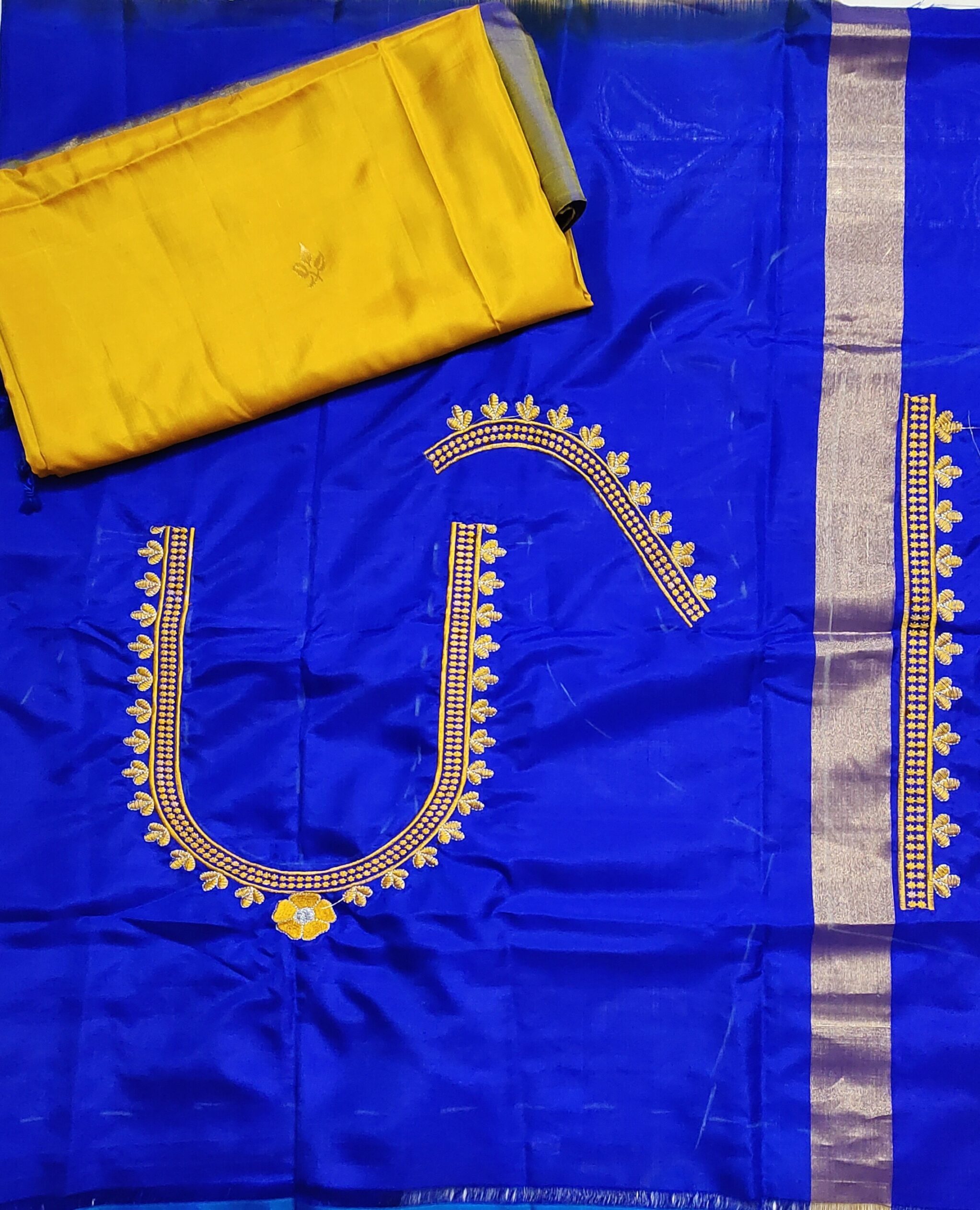
The Timeless Art of Embellishment
Mirror work, also known as shisha embroidery, is a traditional art form that has been practiced for centuries, adding a touch of brilliance and elegance to fabrics. This intricate craft involves the use of small mirrors that are hand-stitched onto textiles, creating dazzling designs that reflect light beautifully. Originating in India, particularly in the states of Gujarat and Rajasthan, mirror work has gained popularity worldwide and is widely used in ethnic clothing, home décor, and accessories.
In this blog post, we will explore the history, techniques, applications, and styling tips of mirror work, highlighting why this art form remains a favorite among artisans and fashion enthusiasts alike.
History and Origins of Mirror WorkMirror work traces its origins back to the 17th century in India, where it was primarily practiced by the nomadic communities of Gujarat, Rajasthan, and Sindh (now in Pakistan). The craft was believed to bring prosperity and ward off evil spirits due to its reflective nature. Over time, mirror work became an essential element of traditional attire, wedding outfits, and festive decorations.
Mirror work is not just limited to India—it has also been seen in Persian, Middle Eastern, and Central Asian textiles, with variations in embroidery styles and mirror placements.
Techniques of Mirror WorkCreating mirror work embroidery requires skill and precision. The process involves the following steps:
Selection of Mirrors: The mirrors used in embroidery come in different shapes—round, square, triangular, and hexagonal. Artisans choose the shape based on the design requirements.
Fixing the Mirrors: The mirrors are placed onto the fabric and secured with cross stitches or chain stitches.
Embellishing with Embroidery: Around the mirrors, intricate embroidery is done using colorful threads, beads, and sequins to enhance the overall design.
Finishing Touches: The final piece is checked for durability and additional embellishments are added if needed.
Applications of Mirror WorkMirror work is a versatile craft that is used in various areas of fashion and home décor. Some of its popular applications include:
- Traditional and Ethnic WearLehenga Cholis and Sarees: Mirror work is commonly seen in bridal lehengas, festive sarees, and dupattas, giving them a rich and vibrant look.
Kurtis and Salwar Suits: A simple kurti with mirror embroidery instantly elevates the outfit, making it perfect for casual or festive occasions.
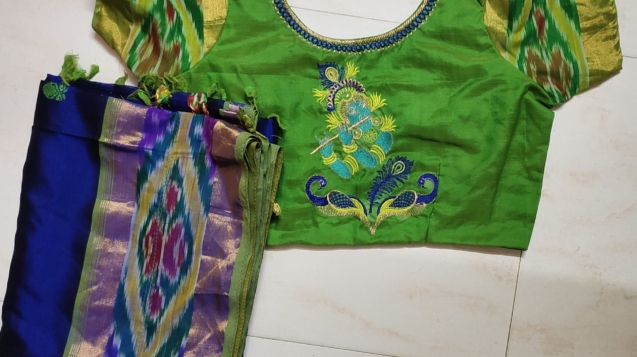
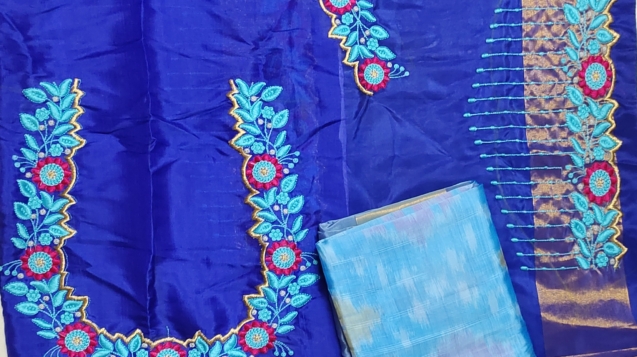
Blouses and Jackets: Mirror work is often incorporated into blouses and jackets to add a unique, artistic touch. - Contemporary FashionMirror Work Tops and Dresses: Modern designers use mirror embellishments on western outfits, blending traditional craftsmanship with contemporary styles.
Denim Jackets and Accessories: Hand-stitched mirror work on denim jackets, handbags, and footwear has become a fashion trend.
Bohemian Fashion: Mirror work fits perfectly into the boho-chic aesthetic, featuring in tunics, skirts, and kaftans. - Home DécorCushion Covers and Bedspreads: Mirror work embroidery enhances the beauty of cushion covers, pillowcases, and bedspreads, giving them a vibrant, ethnic appeal.
Wall Hangings and Tapestries: Handcrafted mirror work tapestries add charm and cultural richness to home interiors.
Curtains and Table Runners: Decor accessories adorned with mirror work bring a touch of traditional elegance to modern homes.
How to Style Mirror Work FashionMinimalist Look: Pair a mirror work blouse with a solid-colored saree or lehenga to balance the overall look.
Fusion Wear: Mix a mirror work kurti with jeans or palazzo pants for a contemporary Indo-western outfit.
Statement Accessories: Mirror work handbags, juttis, or belts can instantly enhance a simple outfit.
Layering: Wear a mirror work jacket over a plain dress or top for an edgy, artistic vibe.
Caring for Mirror Work EmbroideryMirror work embroidery requires proper care to maintain its shine and durability:
Hand Wash or Dry Clean: Avoid machine washing as it may loosen the embroidery and mirrors.
Use Mild Detergent: Harsh chemicals can damage the fabric and affect the mirror’s reflection.
Store Properly: Keep mirror work garments folded neatly in a cloth bag to prevent scratches or breakage.
Avoid Excessive Ironing: Use a low heat setting or place a cloth over the embroidery while ironing to prevent damage.
Final ThoughtsMirror work embroidery is a timeless art that continues to captivate people across generations. Whether used in traditional attire, contemporary fashion, or home décor, this dazzling embellishment brings vibrancy and elegance to any piece. By embracing mirror work, you celebrate the beauty of handcrafted textiles and support the artisans who keep this exquisite craft alive.