The Timeless Art of Indian Embroidery
Kutch work is a centuries-old embroidery technique that originates from the Kutch region of Gujarat, India. Known for its vibrant colors, intricate mirror work, and geometric patterns, this traditional embroidery has captivated fashion enthusiasts and artisans worldwide. In this blog post, we will explore the history, techniques, motifs, applications, and styling tips of Kutch work.
History and Origins of Kutch WorkThe roots of Kutch embroidery can be traced back to the nomadic and tribal communities of Gujarat, such as the Rabari, Ahir, and Sodha Rajputs. These communities developed unique embroidery styles, each reflecting their cultural heritage and way of life. Kutch work was traditionally used to embellish clothing, household textiles, and wedding attire, making it an essential part of Gujarati craftsmanship.
Distinctive Features of Kutch WorkKutch embroidery is known for its:
Bold Geometric Patterns: Diamond shapes, floral motifs, and interlocking designs dominate Kutch work.
Mirror Work (Abhla Bharat): Small mirrors (shisha) are sewn onto fabric to create a sparkling effect.
Bright Colors: The embroidery is often done in vibrant hues such as red, orange, yellow, blue, and green.
Thick Threads: Cotton or silk threads are used to create raised, textured designs.
Handcrafted Precision: Each piece is hand-stitched, showcasing the artisan’s skill and creativity.
Techniques Used in Kutch WorkKutch embroidery is created using a series of intricate stitches, including:
Interlacing Stitch: Forms a web-like effect, giving depth and dimension to the design.
Chain Stitch: Used to create bold outlines and floral patterns.
Mirror Stitch: Mirrors are attached using cross stitches for a decorative touch.
Herringbone Stitch: Provides a unique texture to the embroidery.
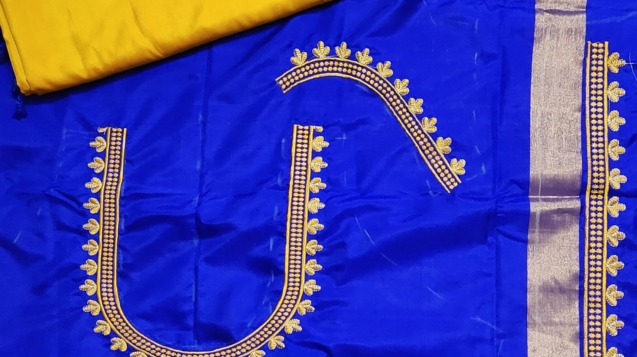
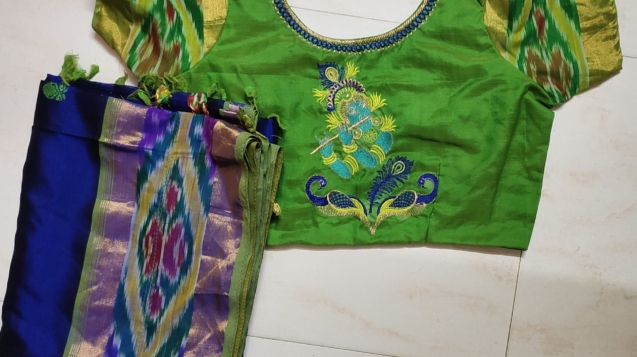
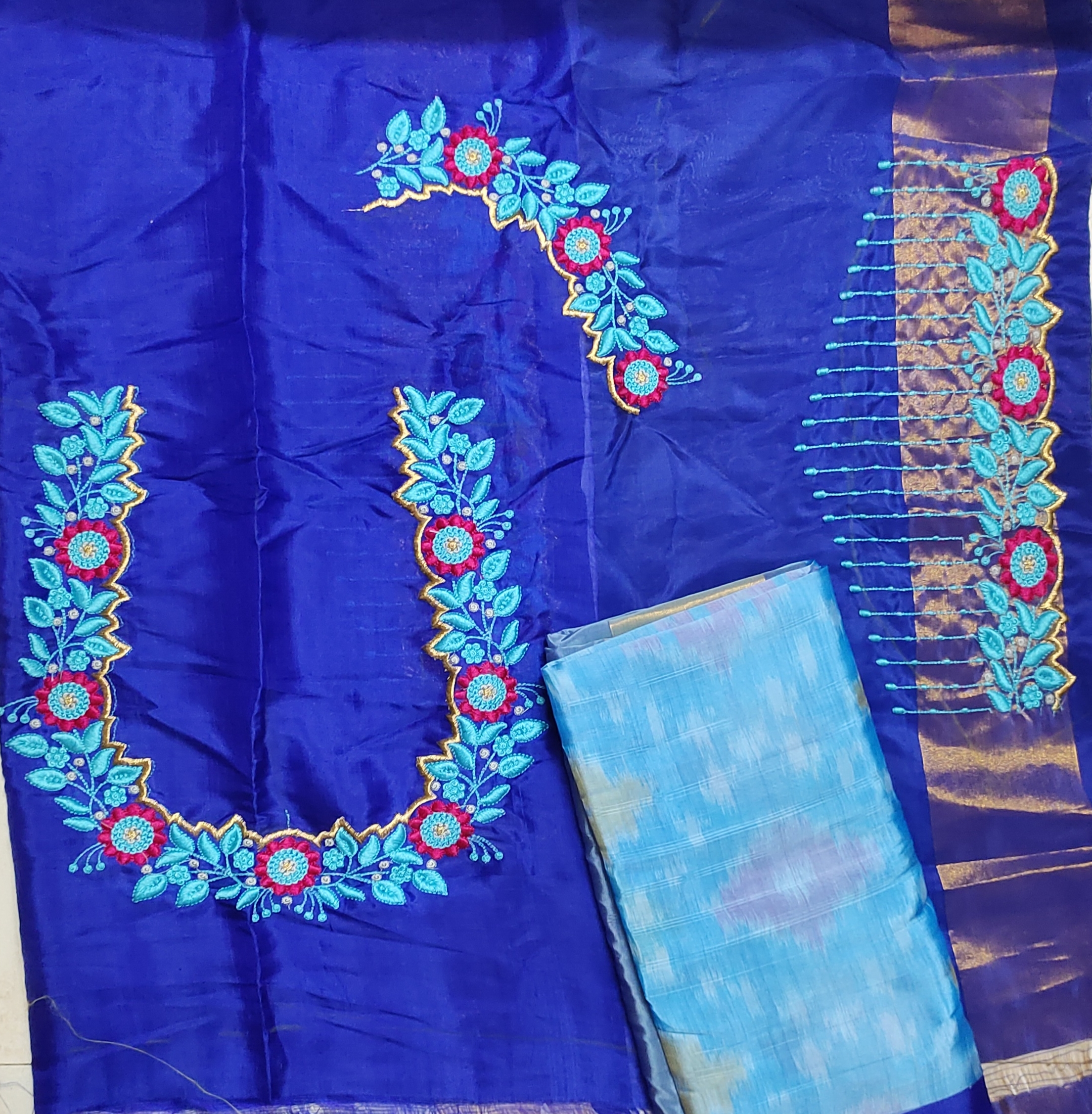
Applications of Kutch Work1. Traditional and Contemporary FashionKutch work blouses, kurtis, dupattas, and sarees add a touch of heritage to modern wardrobes.
Lehenga cholis with intricate Kutch embroidery are popular for weddings and festivals.
Kutch work jackets and stoles enhance Indo-Western outfits.
- AccessoriesKutch embroidery is featured on handbags, clutches, belts, and footwear.
Statement jewelry, such as earrings and chokers, often incorporates mirror work and embroidery. - Home DecorCushion covers, table runners, and wall hangings showcase the vibrant artistry of Kutch work.
Bedspreads and curtains with embroidered motifs bring a traditional touch to interiors.
How to Style Kutch Work FashionFestive Look: Pair a Kutch work blouse with a plain saree for an elegant ethnic look.
Bohemian Vibes: Style a Kutch work jacket with jeans and a solid top for a fusion outfit.
Casual Chic: A simple Kutch work kurti with leggings or palazzos makes for a comfortable yet stylish ensemble.
Accessories Game: Incorporate Kutch work bags or embroidered footwear to add an artisanal touch to your look.
Caring for Kutch EmbroideryHand wash embroidered fabrics gently to prevent damage.
Avoid direct exposure to sunlight to preserve colors.
Store embroidered garments in a cool, dry place to prevent fabric wear.
Final ThoughtsKutch work is a rich and intricate embroidery style that represents India’s artistic legacy. Whether worn as fashion or used in home décor, this embroidery continues to enchant people with its vibrant patterns and craftsmanship. By embracing Kutch work, you not only appreciate its beauty but also support the artisans who keep this traditional craft alive.