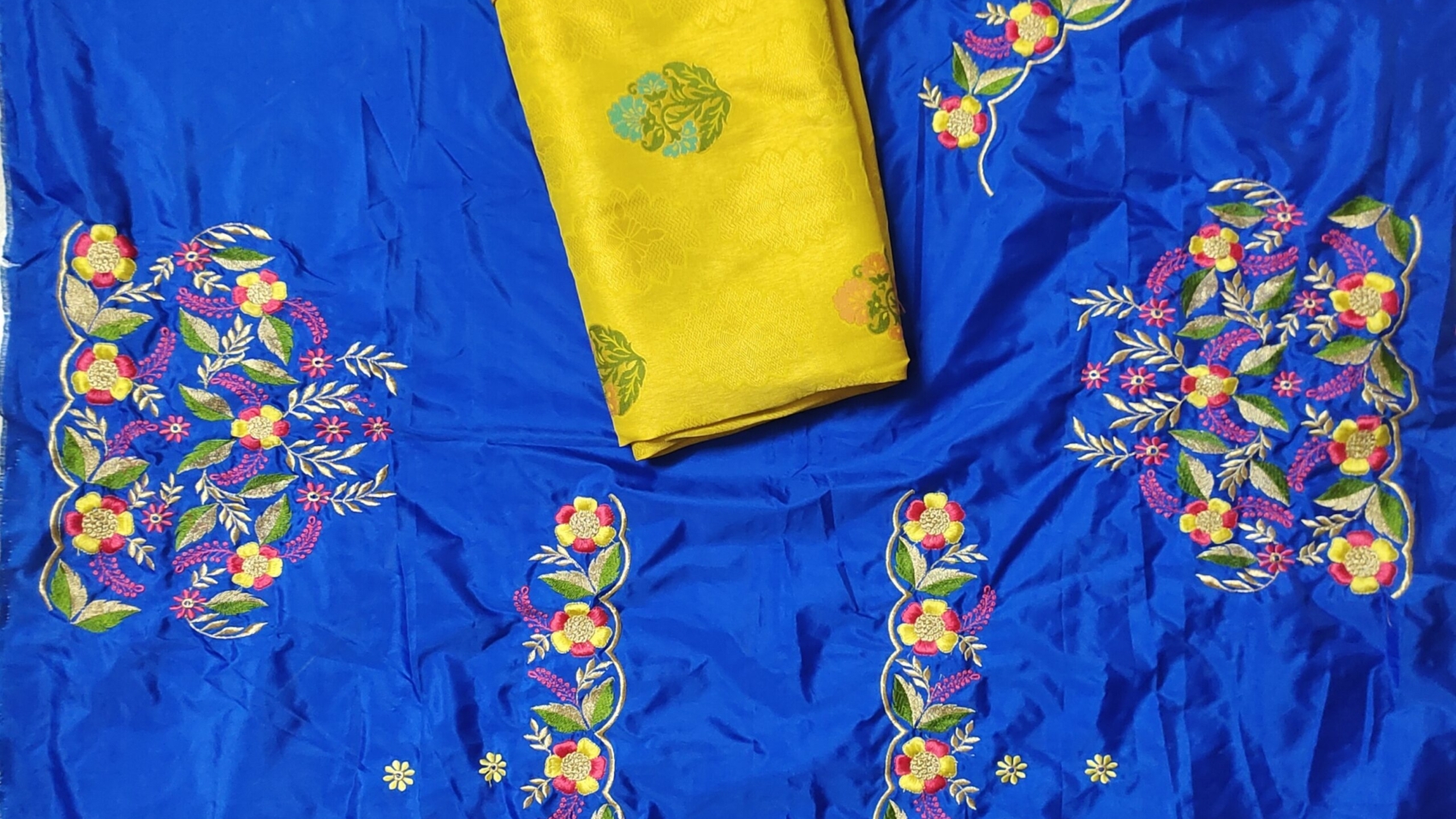
Embroidery stitching has been one of the oldest and most admired forms of textile decoration. From hand-sewn stitches to advanced computerized patterns, this craft has transformed into a beautiful blend of creativity and technology. Today, embroidery stitching works are not just about fashion; they are about identity, personalization, and timeless artistry.
What is Embroidery Stitching?
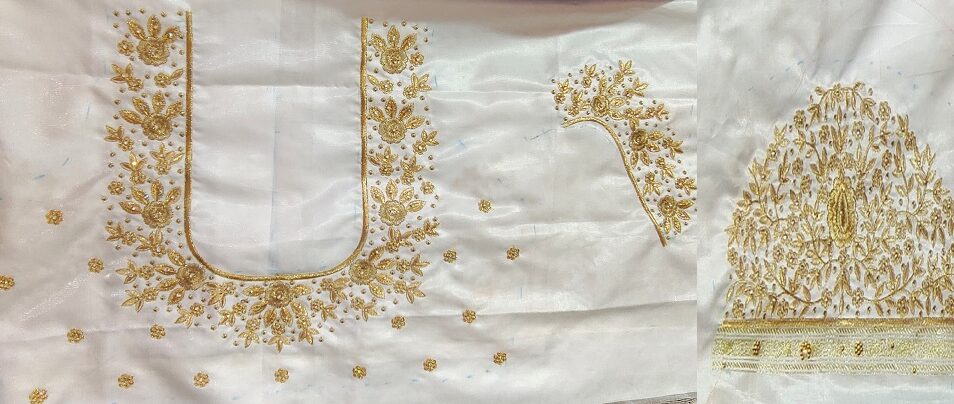
Embroidery stitching involves decorating fabric using threads, beads, sequins, or other embellishments. It can be done manually by artisans or through modern embroidery machines. The charm of embroidery lies in its versatility—whether it’s a simple floral design on a kurti or an intricate bridal blouse, stitching adds elegance to every outfit.
Types of Embroidery Stitching Works
- Hand Embroidery – Traditional and detailed, often used for heritage designs.
- Computer Embroidery – Machine-based precision stitching, perfect for bulk orders and uniform patterns.
- Maggam Work – Heavy embroidery with zari, beads, and sequins, popular in bridal wear.
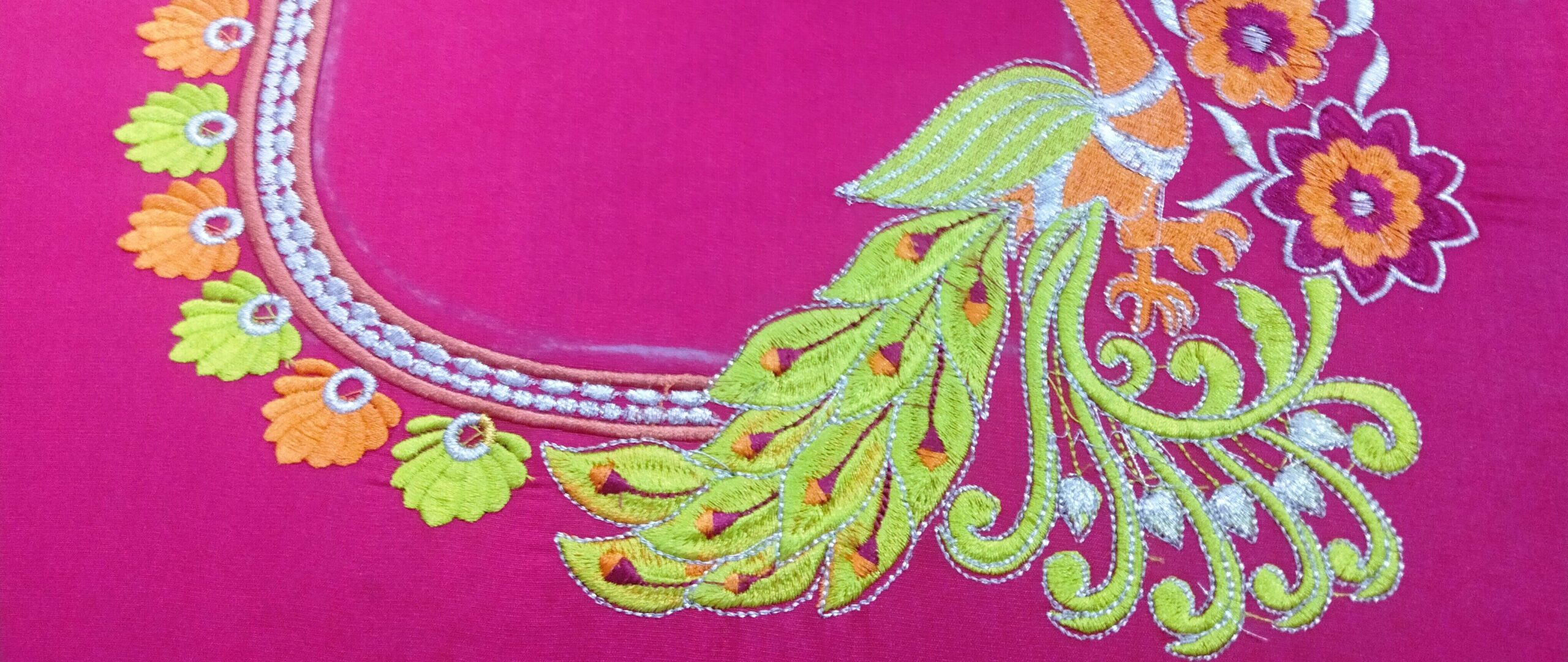
- Chain and Satin Stitches – Decorative stitches that add texture and shine to fabrics.
- Appliqué Embroidery – Combining fabric pieces with embroidery for bold patterns.
Applications of Embroidery Stitching
- Fashion Industry – Sarees, blouses, gowns, kurtis, and jackets feature embroidery for style and elegance.
- Corporate Branding – Logos and names embroidered on uniforms, caps, and t-shirts.
- Home Decor – Curtains, pillow covers, tablecloths, and wall hangings.
- Personalized Gifts – Custom names, initials, or motifs on towels, bags, and handkerchiefs.
Why Embroidery Stitching Works Stand Out
Unlike printing or painting, embroidery stitching offers a rich, textured finish. It lasts longer, doesn’t fade easily, and gives garments a premium look. For weddings, parties, or formal events, embroidery instantly elevates the outfit, making it timeless and graceful.
Latest Trends in Embroidery Stitching
- 3D Embroidery – Raised designs for a bold effect.
- Sequin & Mirror Work – Adds glamour to party wear.
- Minimalistic Embroidery – Simple, sleek patterns for modern fashion lovers.
- Digital Customization – Personalized names and designs stitched with precision.
Question And Answers
1. What makes embroidery stitching better than prints?
Embroidery lasts longer, looks richer, and doesn’t fade easily compared to prints.
2. Can embroidery stitching be customized?
Yes, names, initials, and custom designs can be digitized or hand-stitched.
3. Is hand embroidery still popular?
Yes, especially for bridal wear and traditional outfits where personal detailing matters.
4. How does computer embroidery save time?
It uses digital patterns, allowing large orders to be completed within hours.
5. What fabrics are best for embroidery stitching?
Cotton, silk, and polyester are commonly used, though embroidery can be adapted for many fabrics.
Conclusion
Embroidery stitching works beautifully to bridge tradition and modernity. Whether hand-crafted or machine-stitched, embroidery adds a personal, elegant, and artistic touch to fabric. Its applications in fashion, decor, and branding make it one of the most versatile forms of textile art. For anyone who values uniqueness and durability, embroidery stitching is an unbeatable choice.