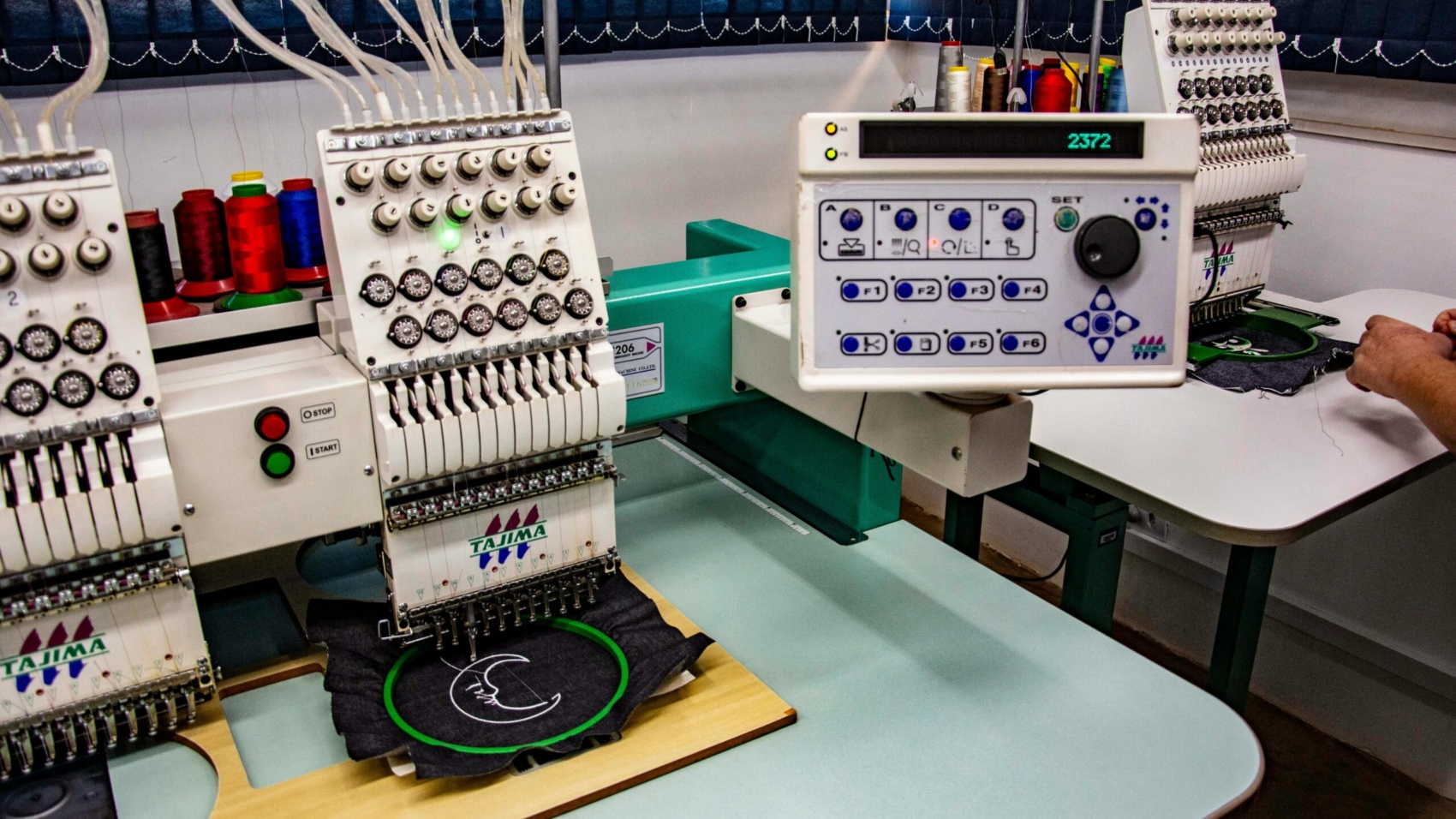
Embroidery has always been a treasured art form, adding beauty and elegance to clothing, home décor, and accessories. While hand embroidery remains special, the demand for faster and more precise work has led to the rise of the embroidering work machine. These machines have revolutionized the textile industry by blending traditional artistry with modern technology.
What is an Embroidering Work Machine?
An embroidering work machine is a device designed to stitch decorative patterns on fabric. Unlike regular sewing machines, embroidery machines are built to create intricate designs with precision. They can handle patterns ranging from simple floral stitches to highly detailed logos and motifs.
Types of Embroidery Machines
Single-Needle Embroidery Machines
Best for beginners and small businesses, these machines operate like traditional sewing machines but with embroidery features. They are perfect for personalized projects.
Multi-Needle Embroidery Machines
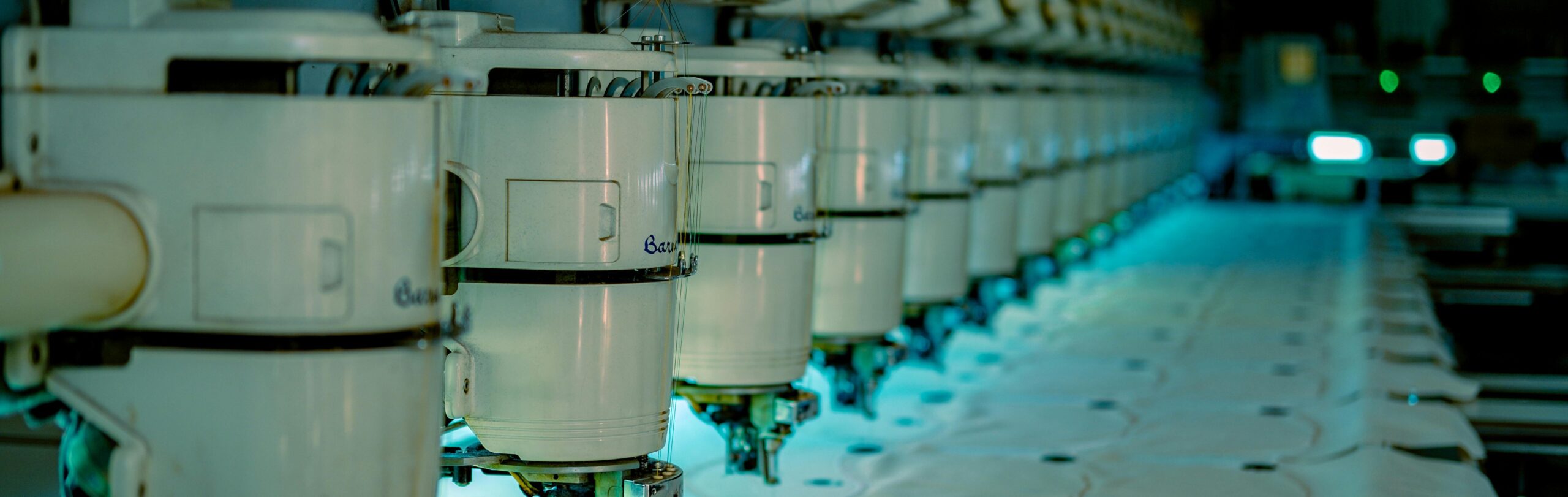
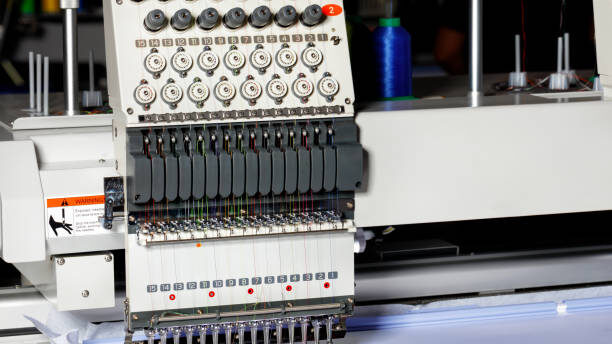
Ideal for professionals and commercial use, these machines hold multiple thread colors at once, allowing complex and colorful designs without constant re-threading.
Computerized Embroidery Machines
The most advanced type, these machines are connected to computers and can follow digital patterns. They allow users to import designs, adjust sizes, and create flawless embroidery quickly.
Key Features of Modern Embroidery Machines
- Automatic Threading – Saves time and effort.
- Multiple Hoops & Frames – For stitching on different fabric sizes.
- USB & Design Import Options – To customize patterns easily.
- High-Speed Stitching – Perfect for mass production.
- LCD Display Panels – Allowing easy control and preview of designs.
Advantages of Using an Embroidering Work Machine
- Time-Saving – Produces designs much faster than hand embroidery.
- Precision – Ensures neat, accurate, and professional finishes.
- Versatility – Works on garments, jackets, caps, bags, and home décor fabrics.
- Customization – Users can create unique, personalized designs.
- Durability – Machine embroidery threads are strong and long-lasting.
Applications of Embroidery Machines
- Fashion Industry – Designers use them for blouses, sarees, jackets, and dresses.
- Corporate Branding – Logos on uniforms, caps, and bags.
- Home Furnishings – Curtains, pillow covers, tablecloths, and wall hangings.
- Personalized Gifts – Monograms and custom embroidery on clothes and accessories.
How to Maintain an Embroidering Work Machine
- Clean regularly to avoid thread and lint buildup.
- Oil moving parts for smooth functioning.
- Use quality threads and needles to prevent breakage.
- Update software (for computerized machines) to access modern designs.
Question And Answers
1. Can beginners use embroidery machines easily?
Yes, modern machines come with user-friendly features, making them suitable for beginners.
2. Which is better: hand embroidery or machine embroidery?
Hand embroidery offers uniqueness, while machine embroidery provides speed and precision.
3. What fabrics can embroidery machines handle?
Most machines work on cotton, silk, denim, linen, and even leather.
4. Is a computerized embroidery machine worth it?
Yes, it offers advanced features, digital design imports, and high-quality results.
5. How long can an embroidery machine last?
With proper care, embroidery machines can last many years, even with daily use.
Final Conclusion
An embroidering work machine is more than just a tool—it’s a gateway to creativity and efficiency. Whether you’re a hobbyist or running a professional embroidery business, these machines help transform plain fabric into stunning, lasting artwork. They combine tradition with technology, keeping embroidery alive in the modern fashion world.