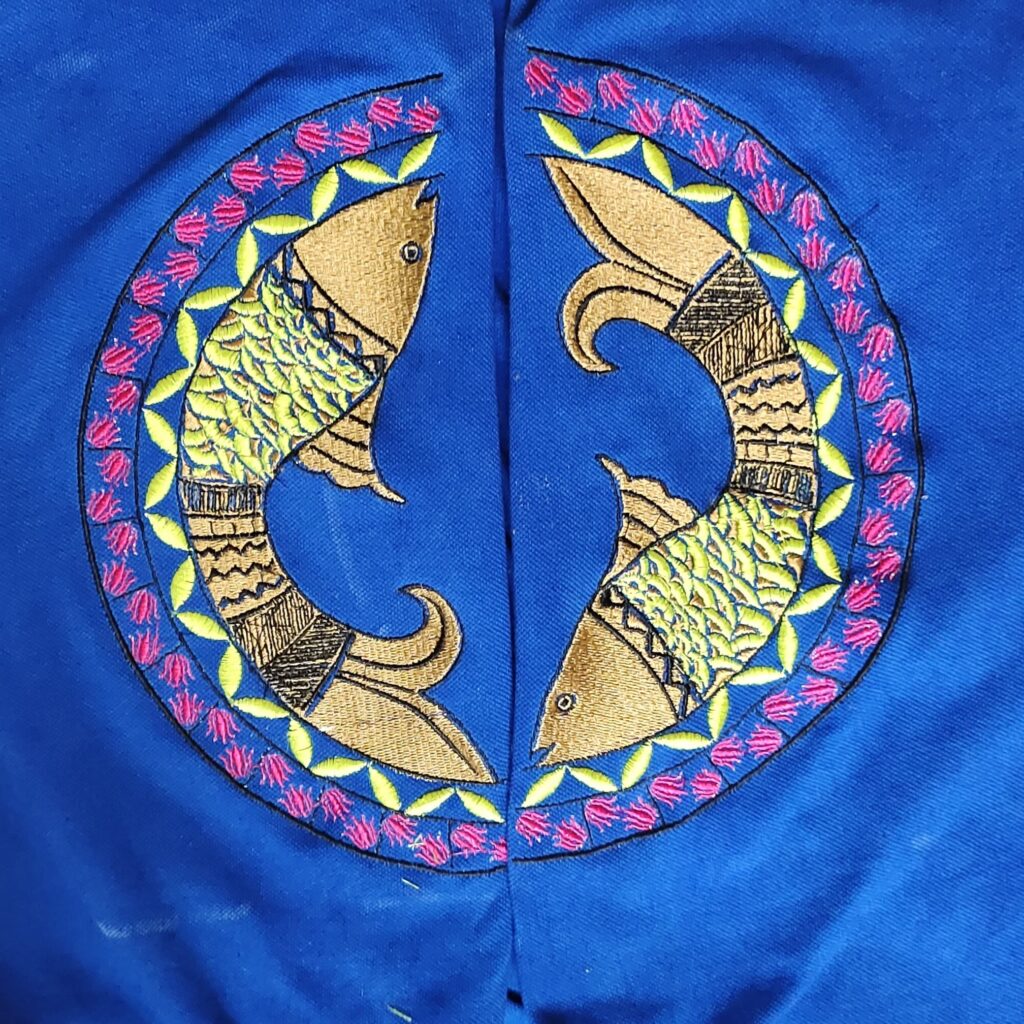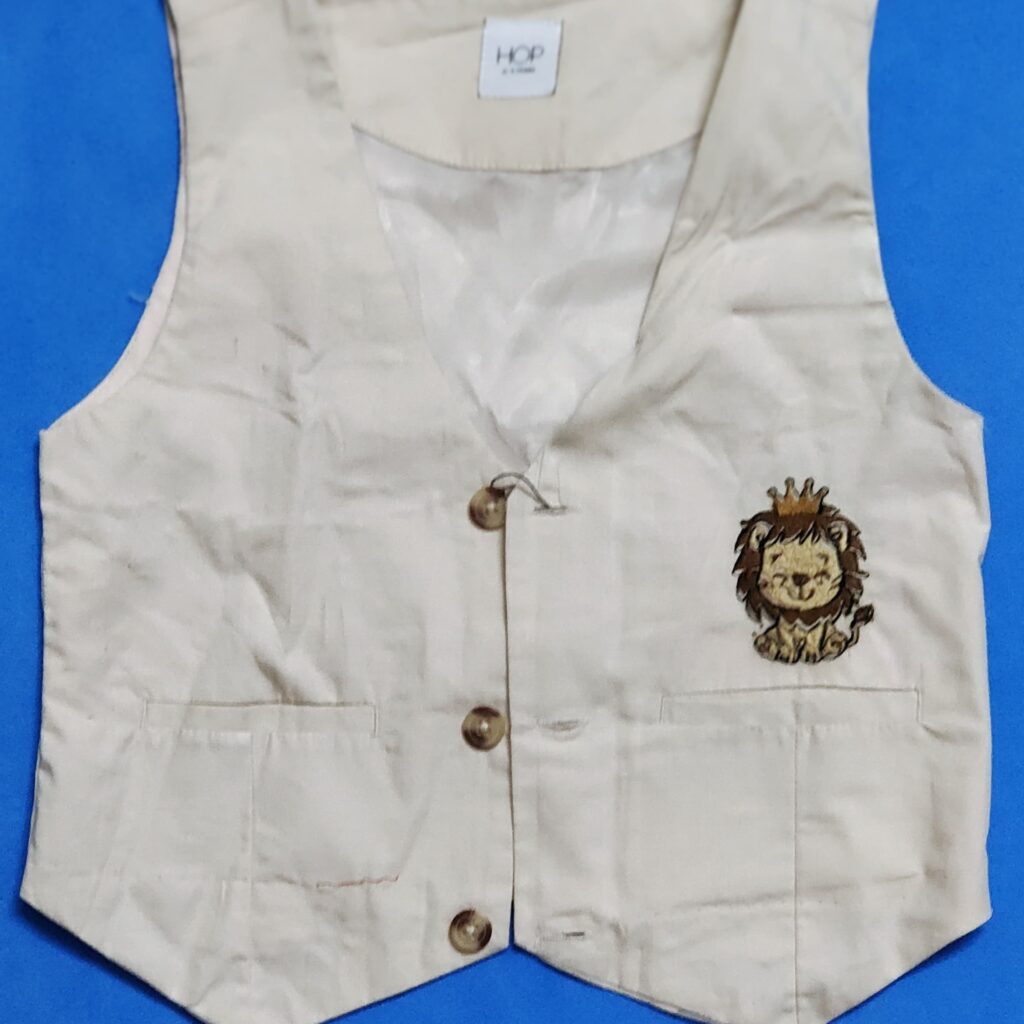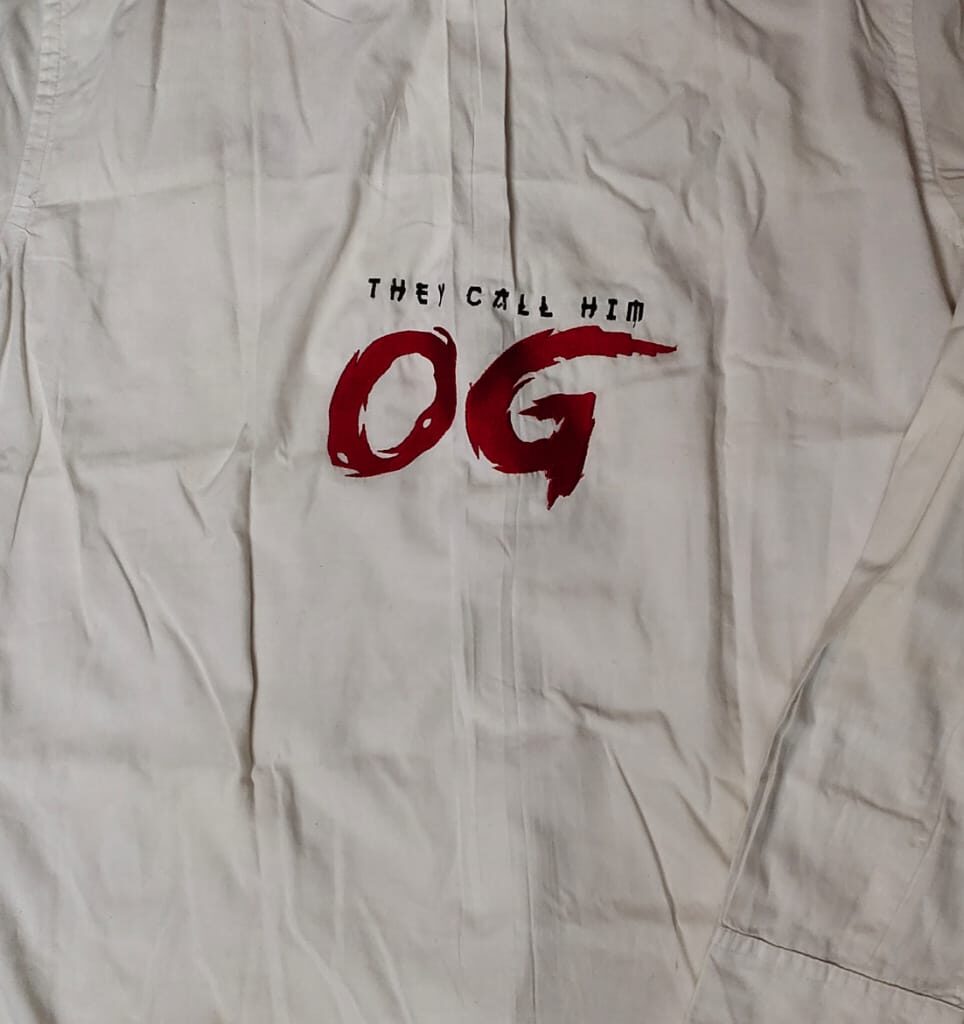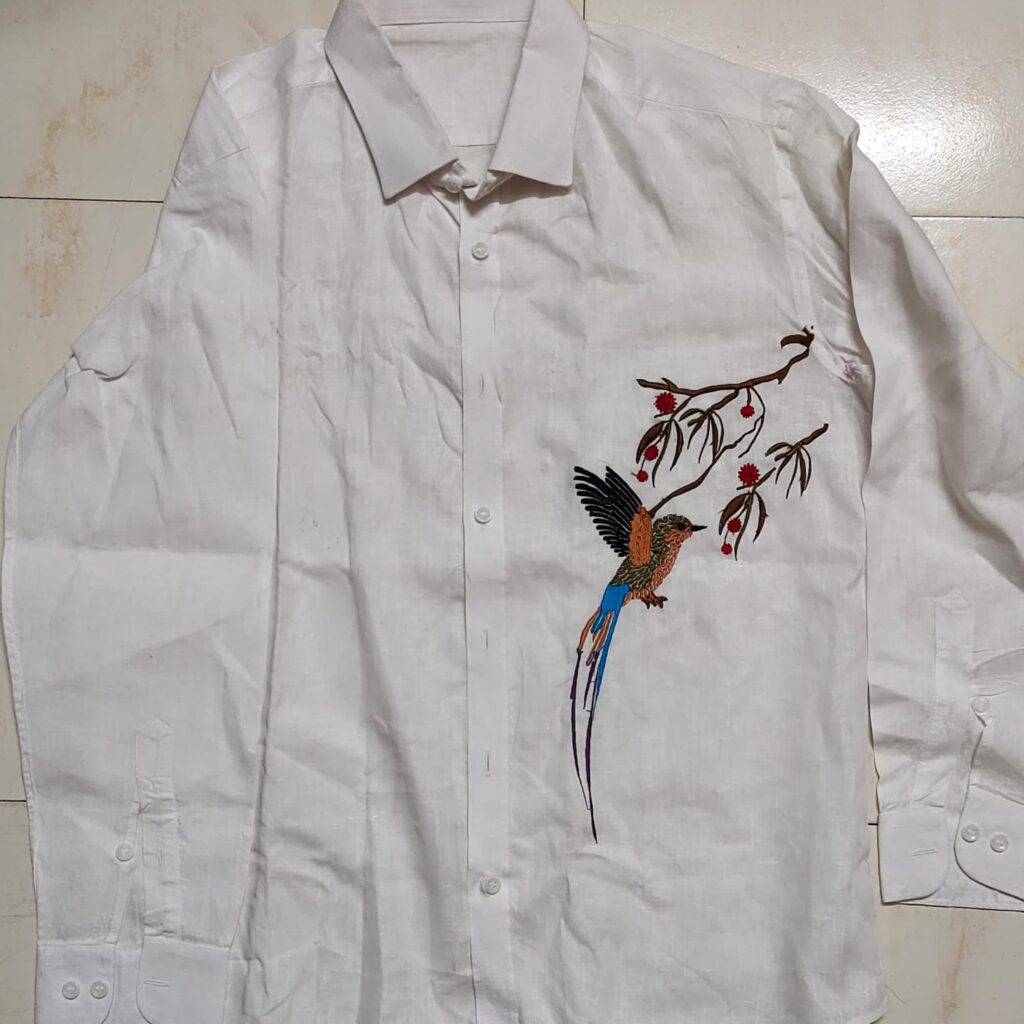
Handmade Embroidery Works

Hand Embroidery Designs: A Timeless Art with a Modern Touch

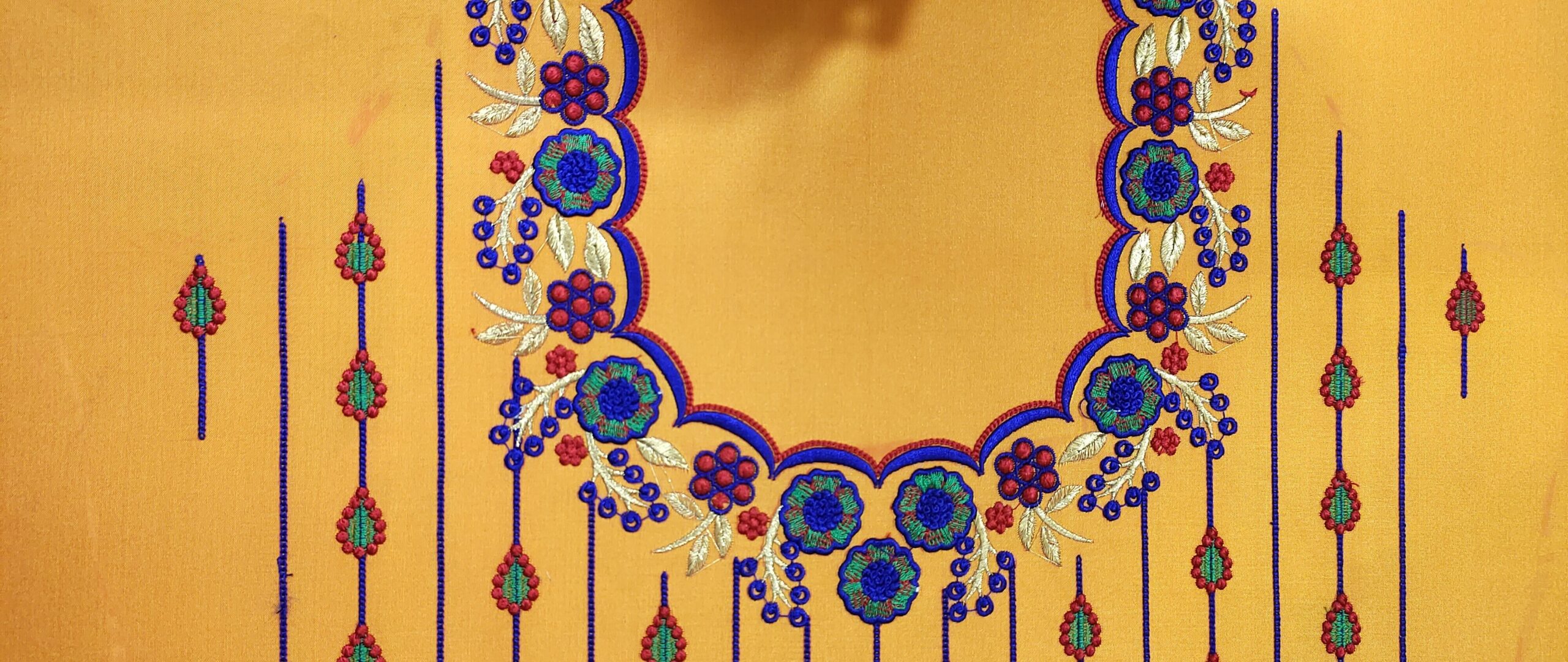
Hand embroidery designs have always been a symbol of fineness and artistry. Indeed, in the modern digital age, embroidery continues to capture hearts with its charm. Whether it’s a marriage saree or a casual kurti, hand embroidery adds a particular touch that no machine can completely replicate.
What’s Hand Embroidery?

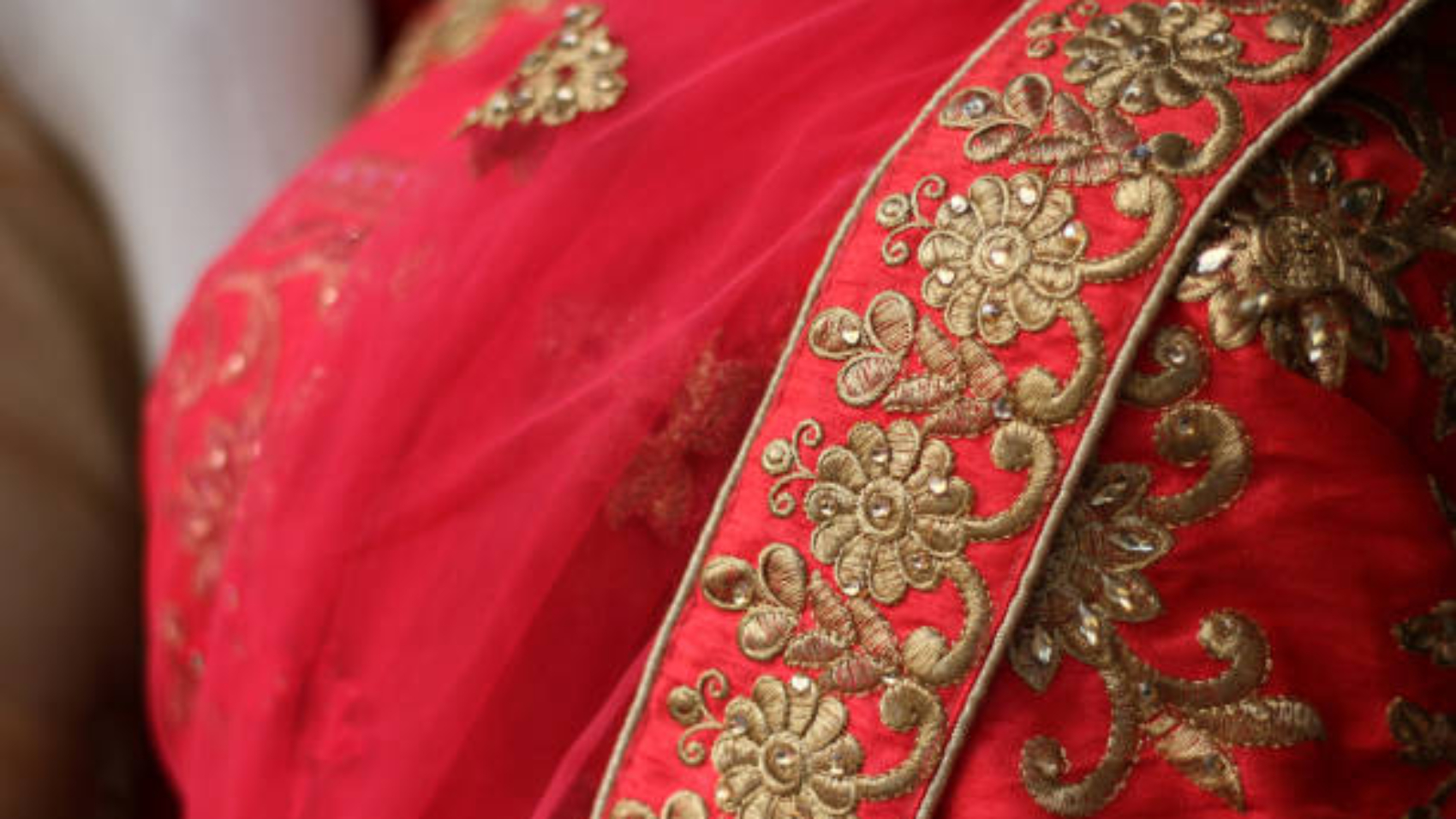
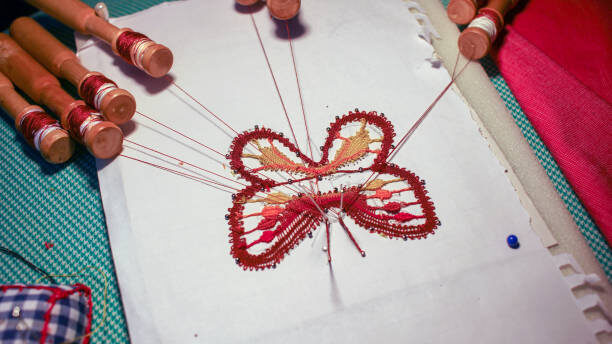
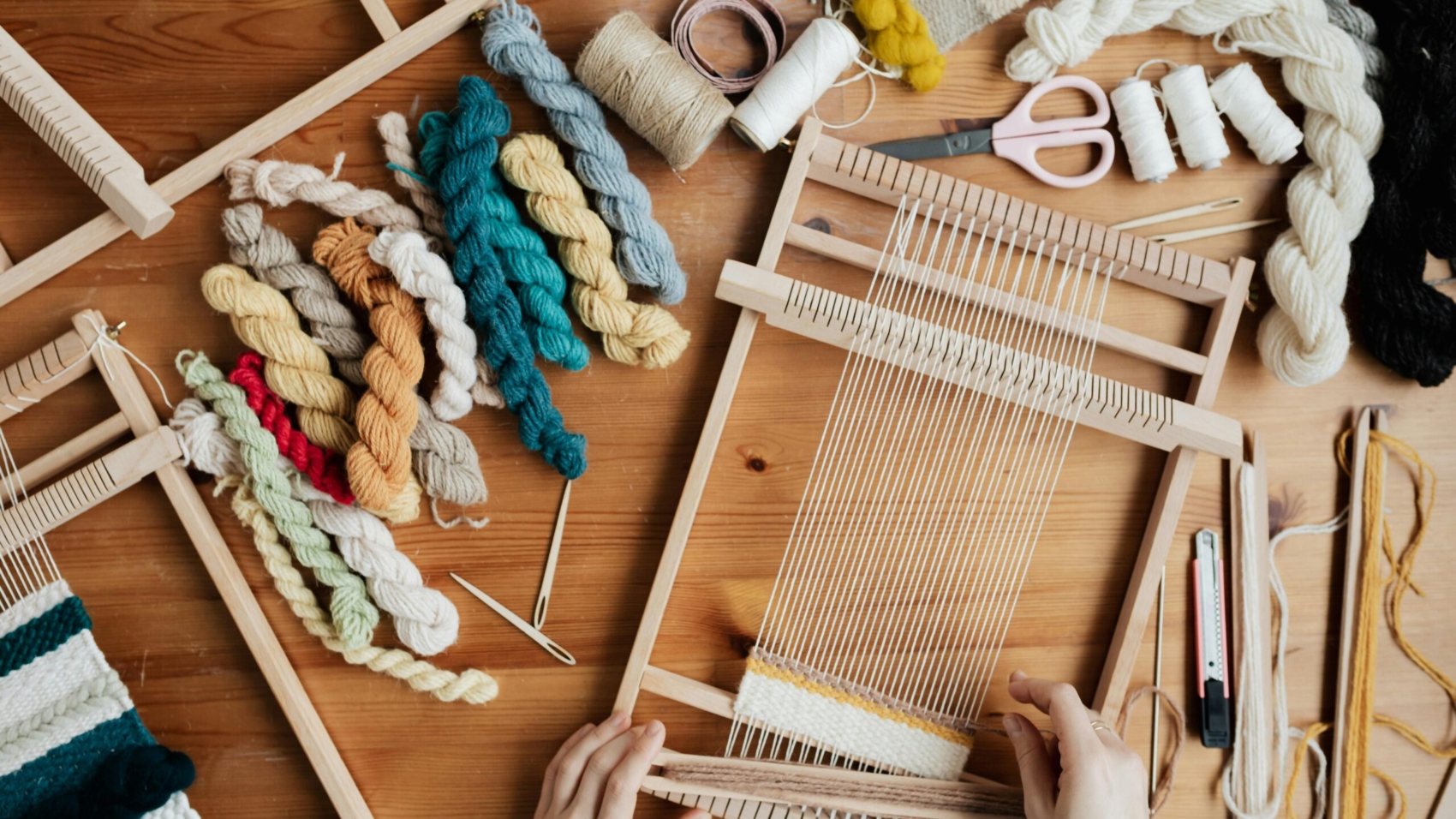
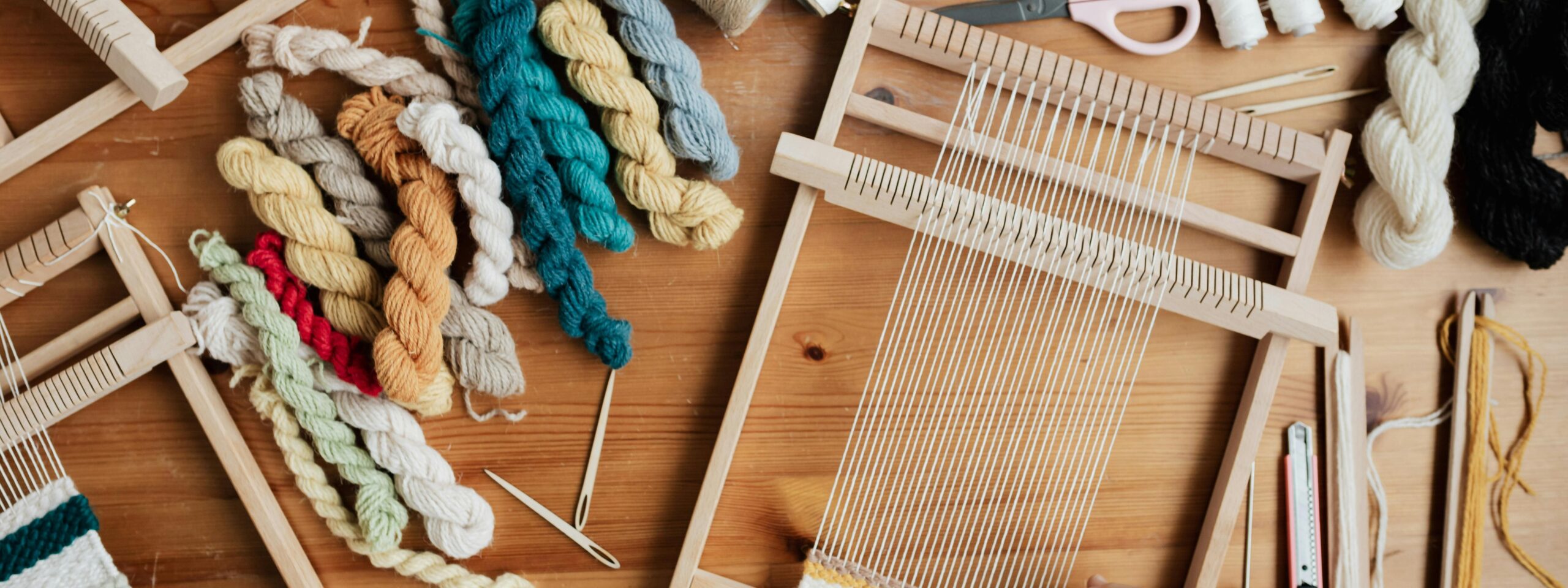
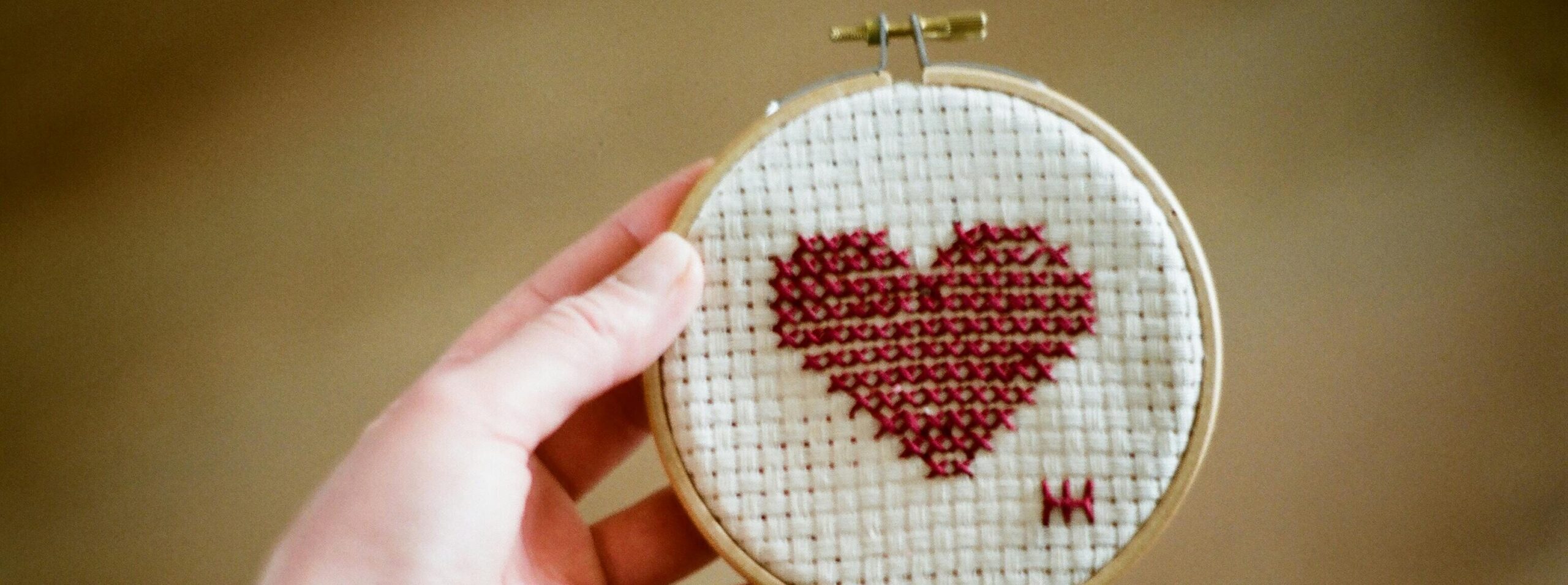
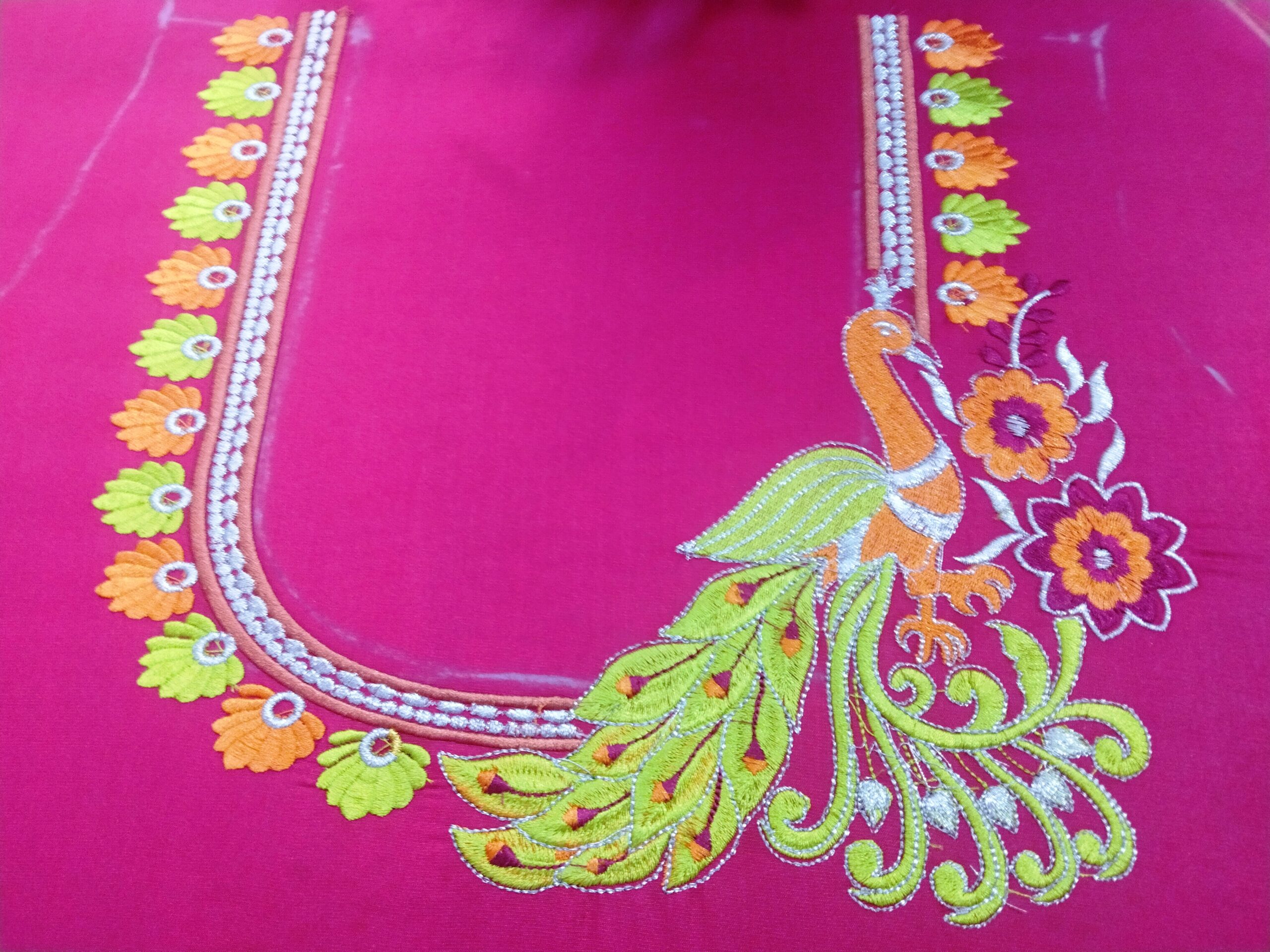
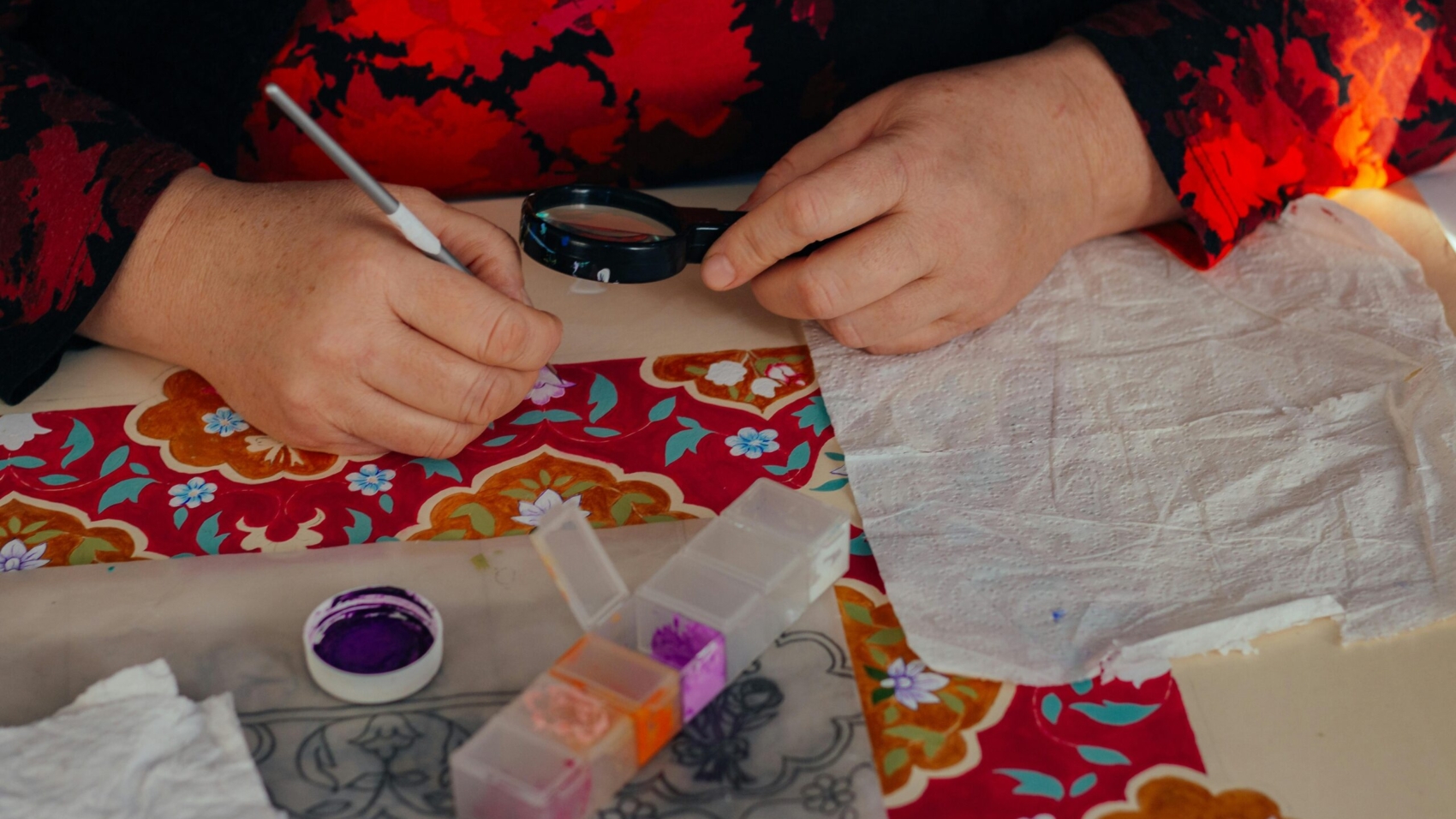
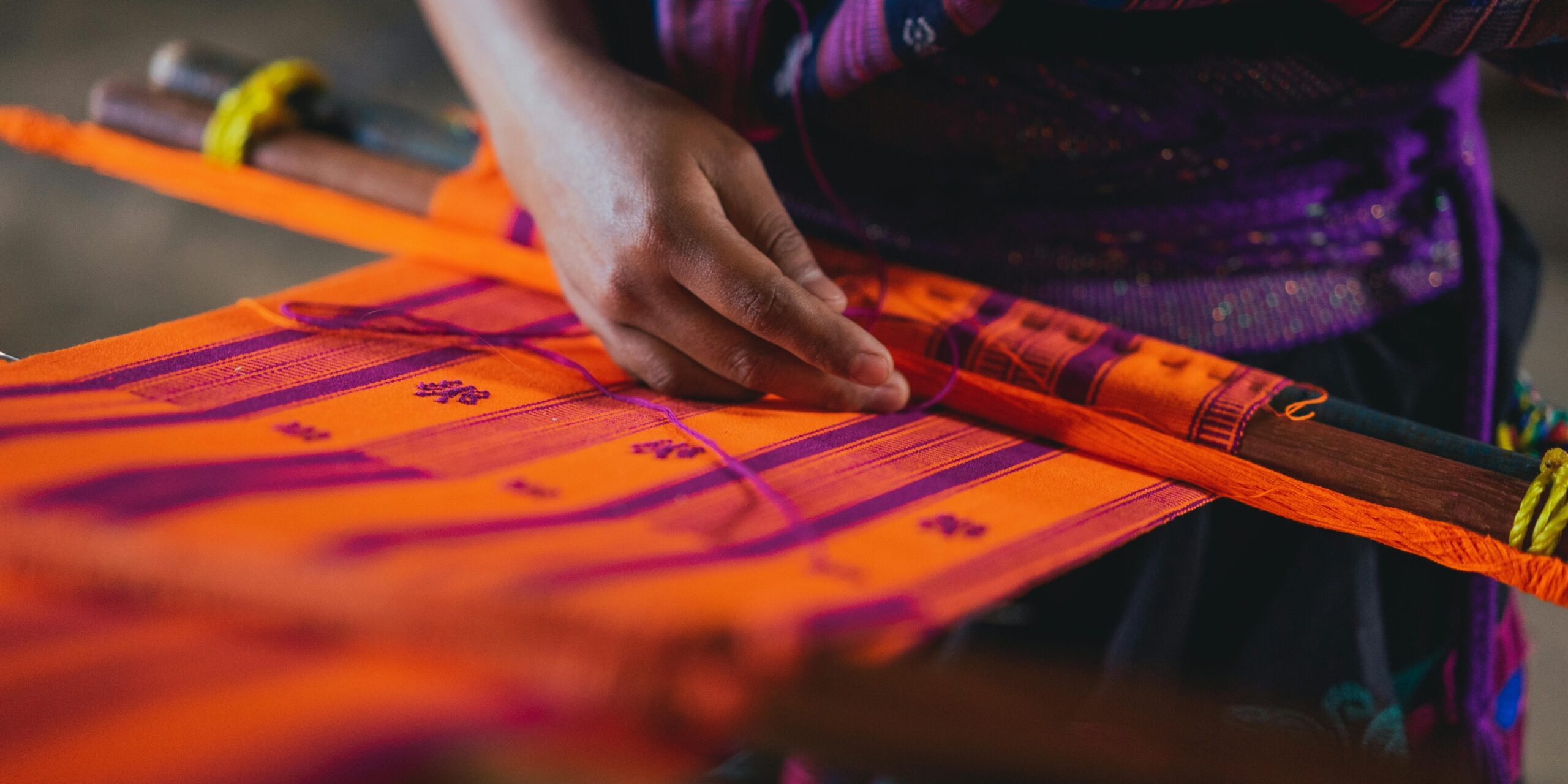
Hand embroidery is the art of decorating fabric using needles and thread. Each stitch is formed manually, making every design unique. This traditional craft includes colourful ways passed down through generations.

Why Hand Embroidery is Still Popular

People love hand embroidery for its detailing, texture, and cultural value. Unlike mass-produced designs, hand embroidery feels particular and luxurious.

Sai Fashion Computer Embroidery—Blending Tradition with Technology

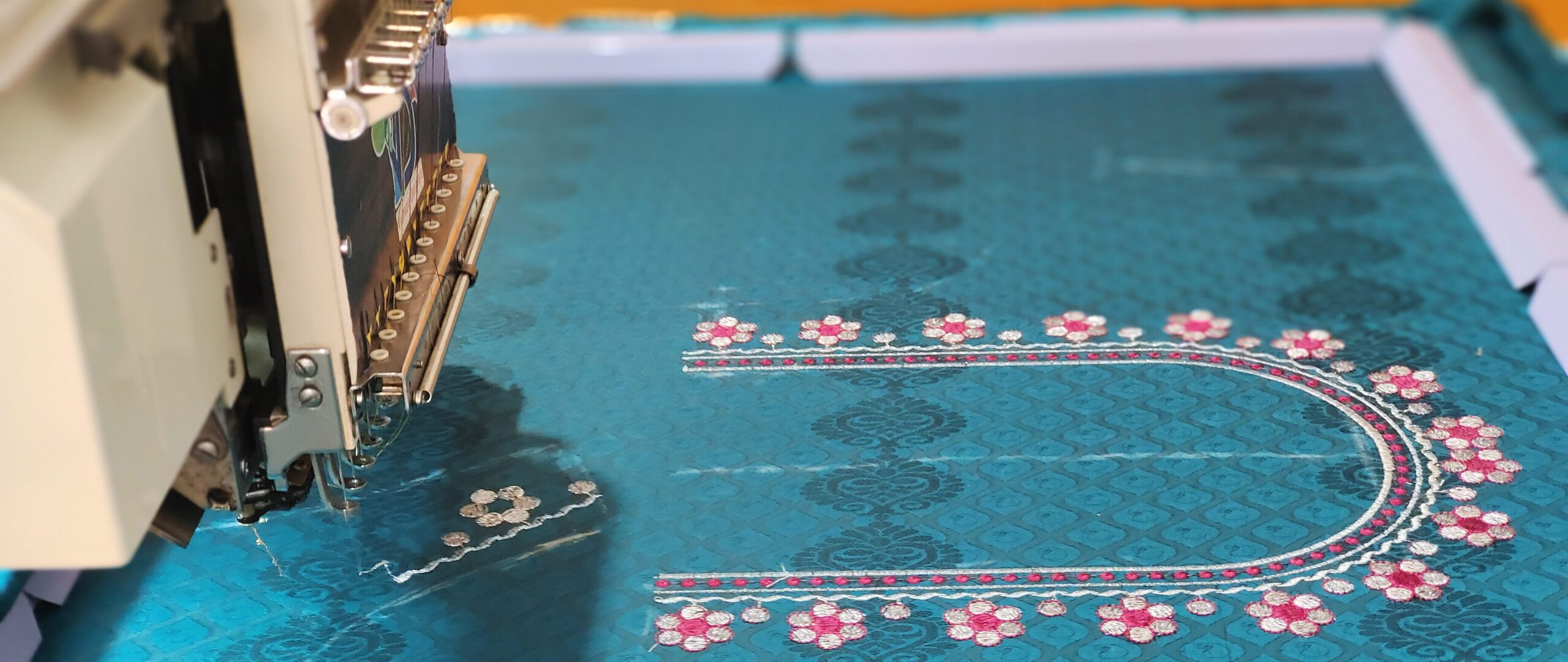
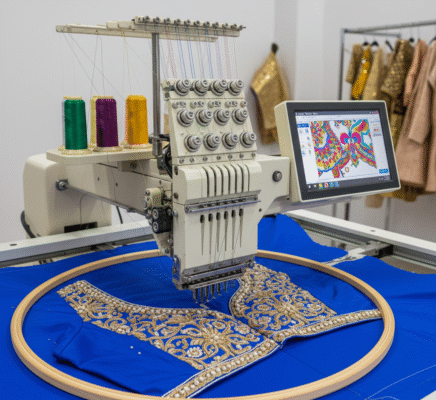
Sai Fashion Computer Embroidery in Vizag combines the beauty of hand embroidery with advanced computer embroidery techniques. This emulsion ensures perfection while keeping the traditional charm alive.

About Sai Fashion Vizag

Sai Fashion Vizag is known for creating ultra-expensive embroidery on sarees, blouses, lehengas, uniforms, and custom apparel. They give customised designs based on client preferences.

Types of Hand Embroidery Designs
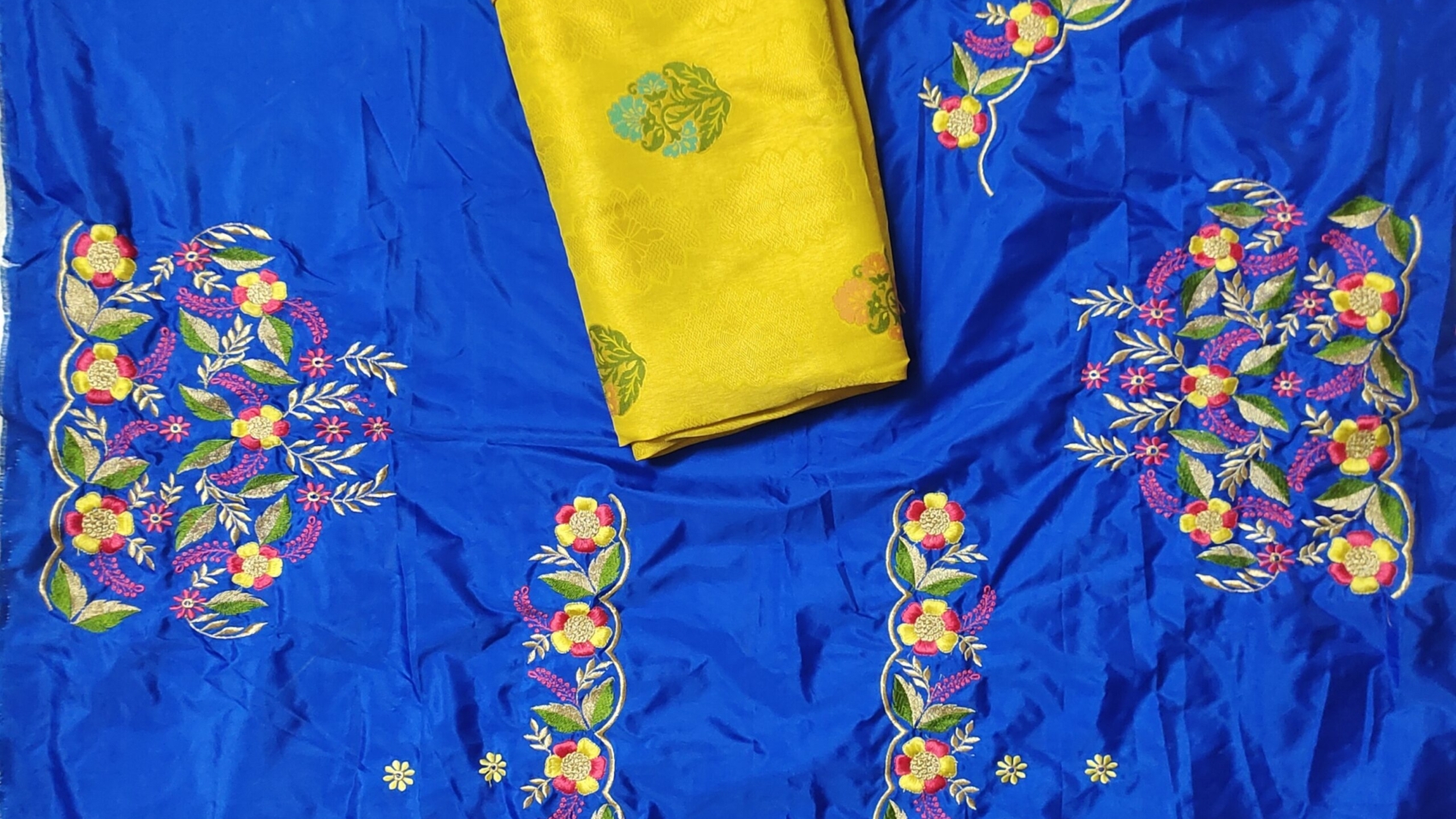
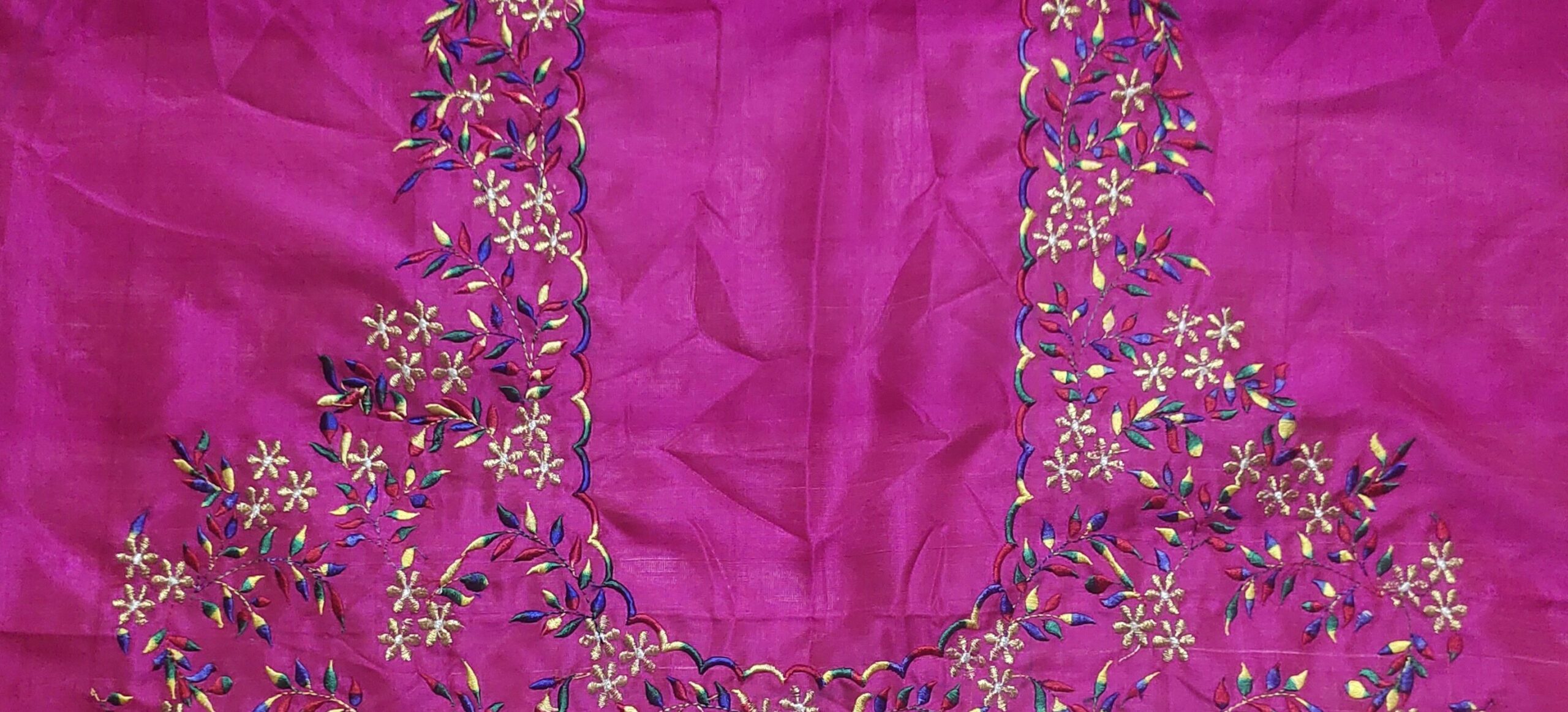
Floral Patterns

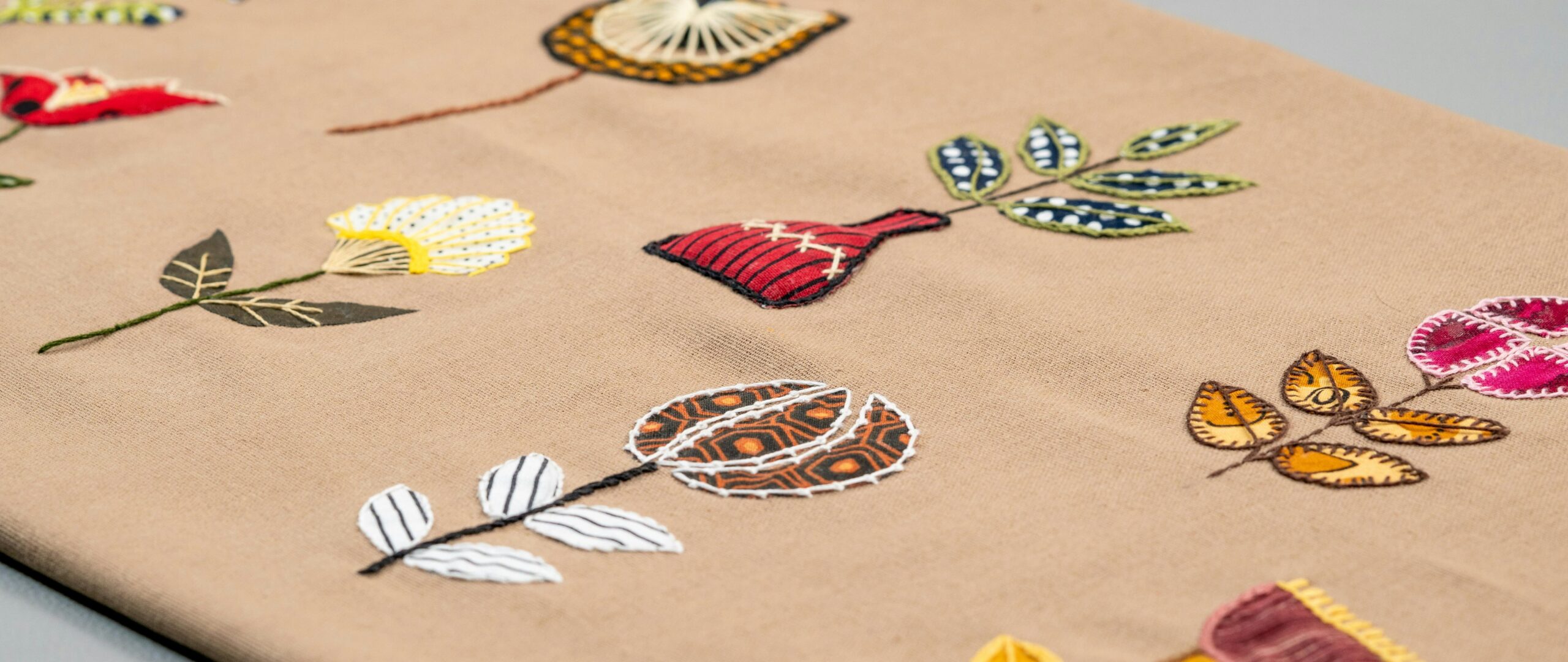
Floral hand embroidery designs are the most popular. They add a soft, womanlike touch to any outfit.

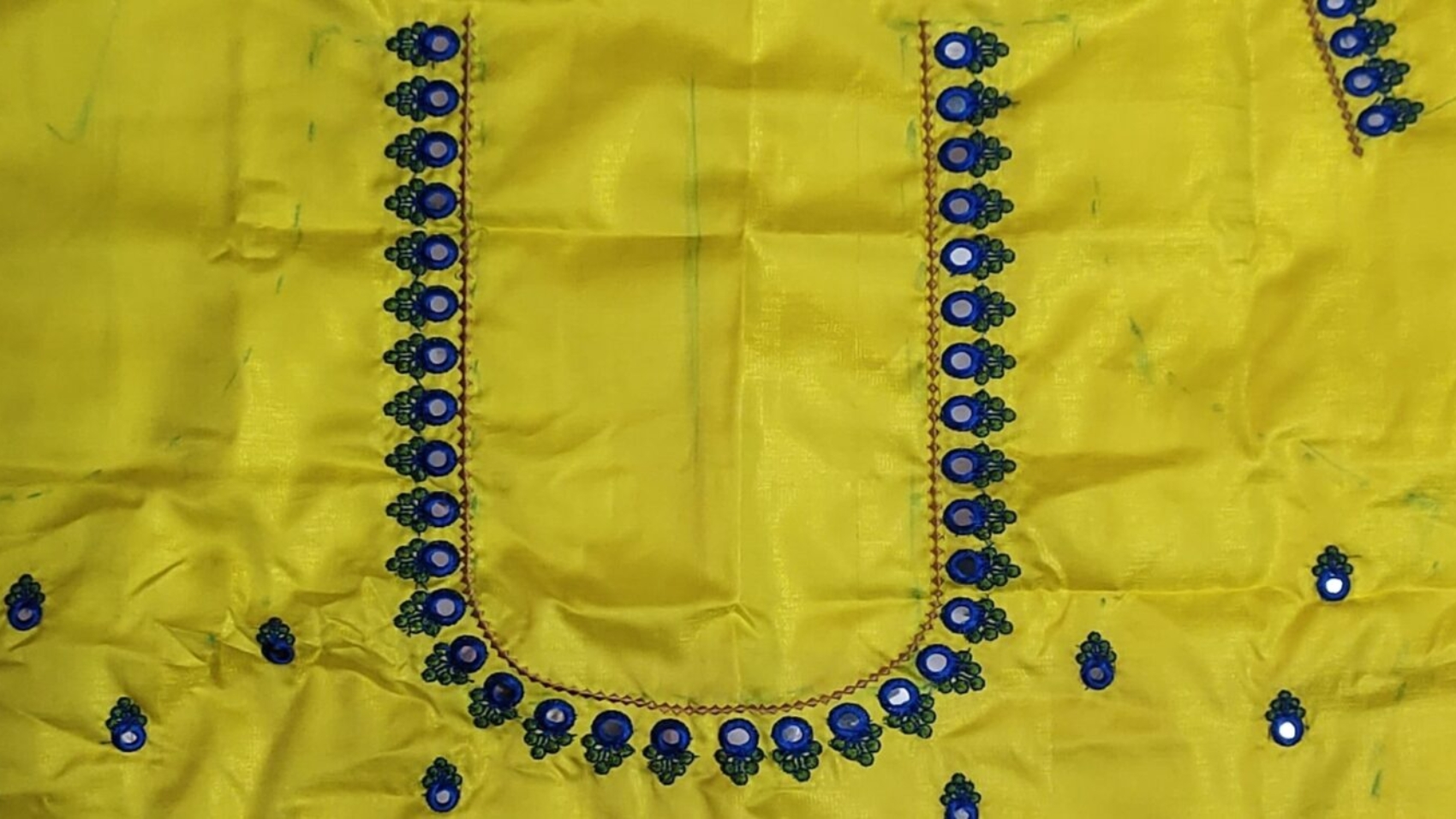
Mirror Work

Perfect for gleeful wear and tear and traditional dresses, glasswork embroidery shines beautifully under light.

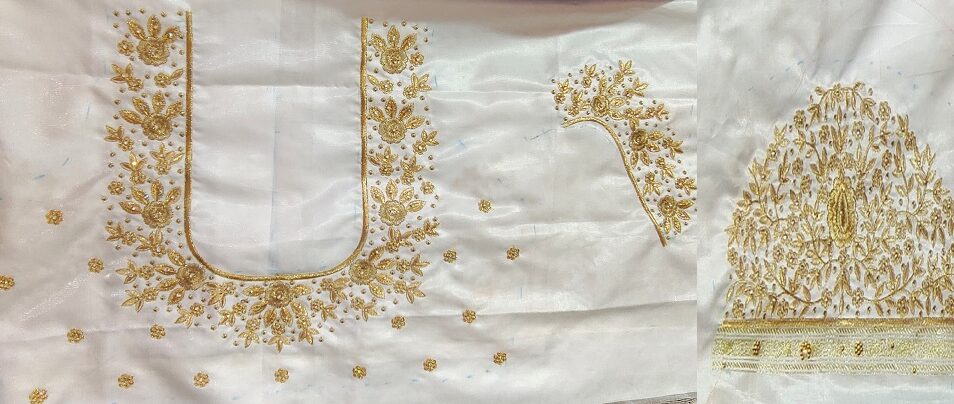
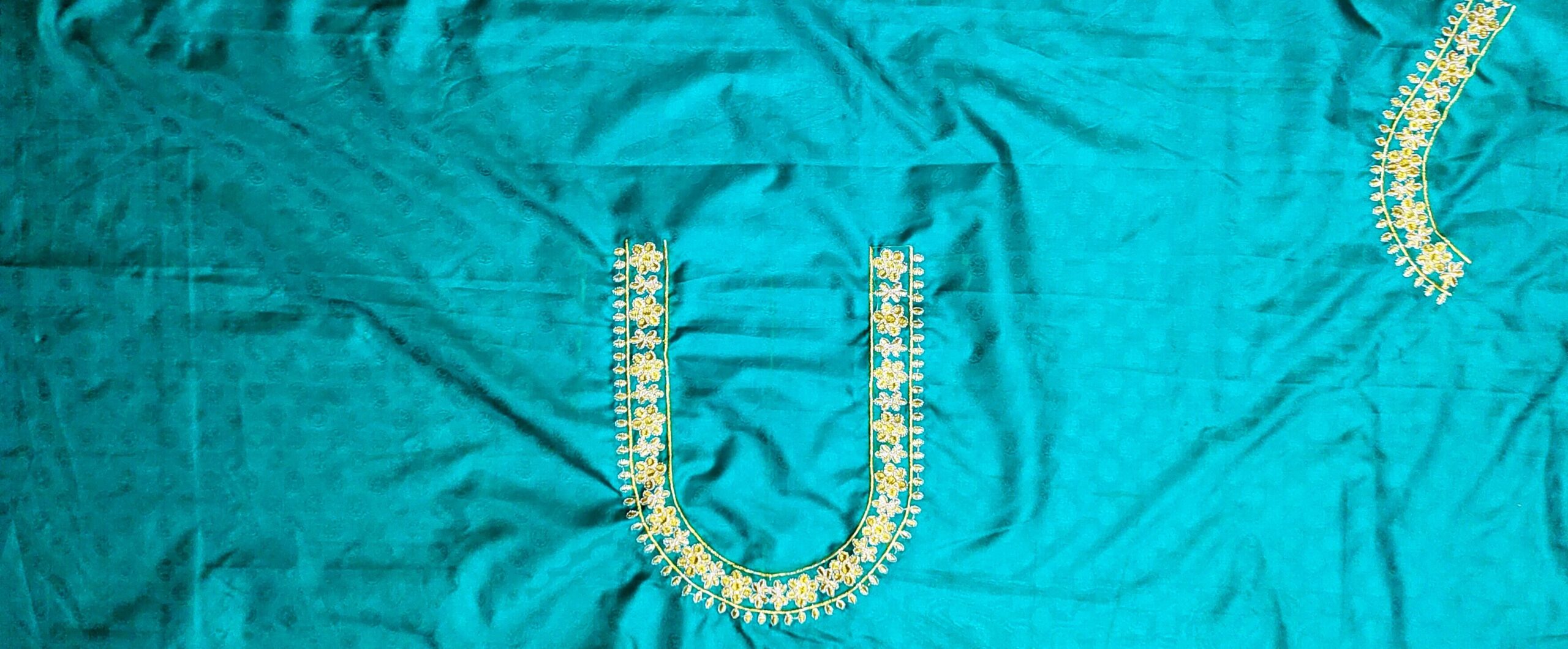
Zardosi Embroidery

Zardosi uses metallic vestments to produce royal and rich designs. It’s generally used in matrimonial wear and tear and heavy sarees.

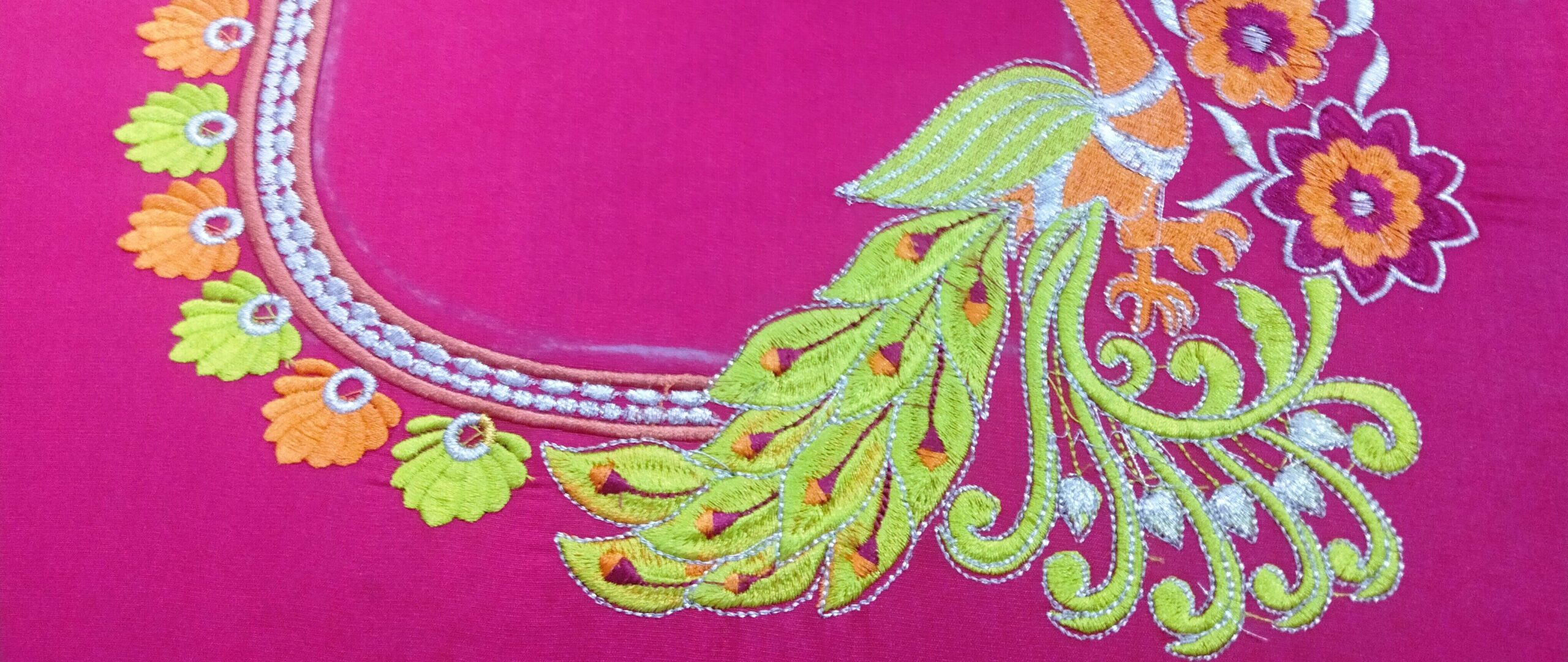
Blob and Thread Work

This design blends globules and vestments to produce elegant textures. It’s ideal for blouses and dupattas.

How Sai Fashion Computer Embroidery Enhances Designs

Using digital machines, Sai Fashion Computer Embroidery ensures neat finishing, harmony, and quick delivery—without losing the substance of handwrought beauty.

Popular Uses of Hand Embroidery Today
Bridal Wear

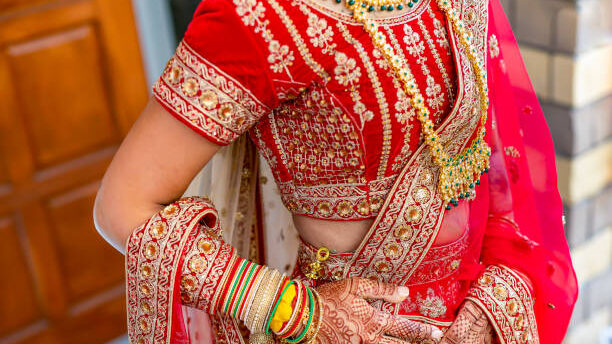
From lehengas to dupattas, hand embroidery makes every bridegroom look stunning.

Gleeful Outfits

Carnivals in India are deficient without exaggerated outfits that reflect tradition.

Casual and Office Wear

Minimum hand embroidery on kurtis, covers, and shirts gives a simple yet swish look.

Tips for Choosing the Stylish Hand Embroidery Designs
Fabric Selection

Choose fabrics like silk, cotton, or chiffon that enhance embroidery stitches.

Colour Combinations

Matching thread and fabric colours produces visually appealing designs.
FAQs.

What makes hand embroidery unique?
Each design is drafted manually, making it special and one-of-a-kind.

Does Sai Fashion Vizag offer custom designs?
Yes, they produce substantiated embroidery grounded on client conditions.

Which fabrics are stylish for hand embroidery?
Silk, cotton, and georgette are ideal for detailed embroidery work.

Is hand embroidery suitable for office wear and tear?
Yes, minimum designs look elegant and professional.

Can hand embroidery be combined with machine embroidery?
Absolutely! Sai Fashion Computer Embroidery blends both for perfection.

Conclusion

Hand embroidery designs are a beautiful way to express creativity and tradition. With brands like Sai Fashion Computer Embroidery in Vizag, this dateless art continues to shine in ultramodern fashion. Whether you want fineness or simplicity, hand embroidery has a commodity for everyone.
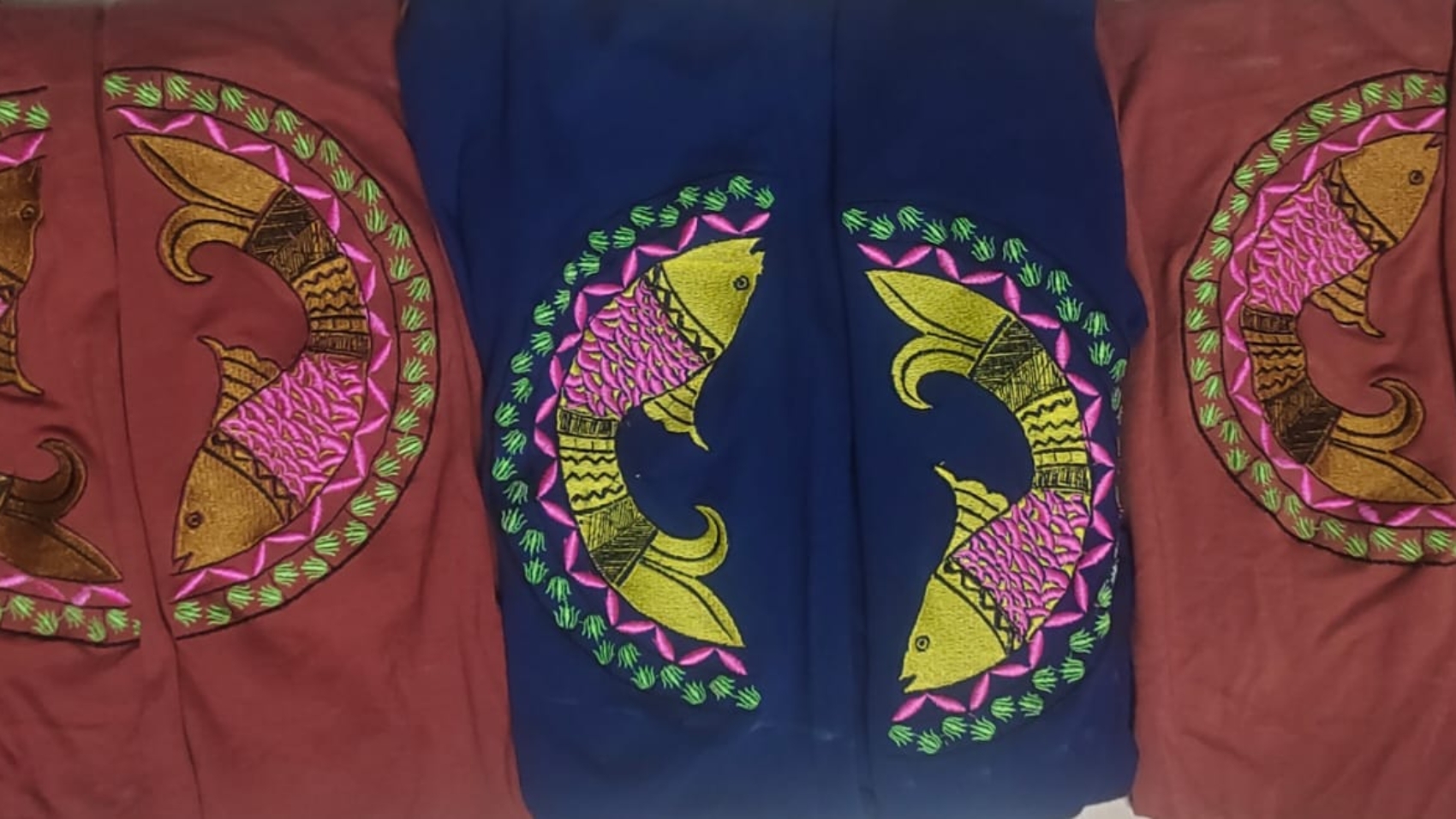
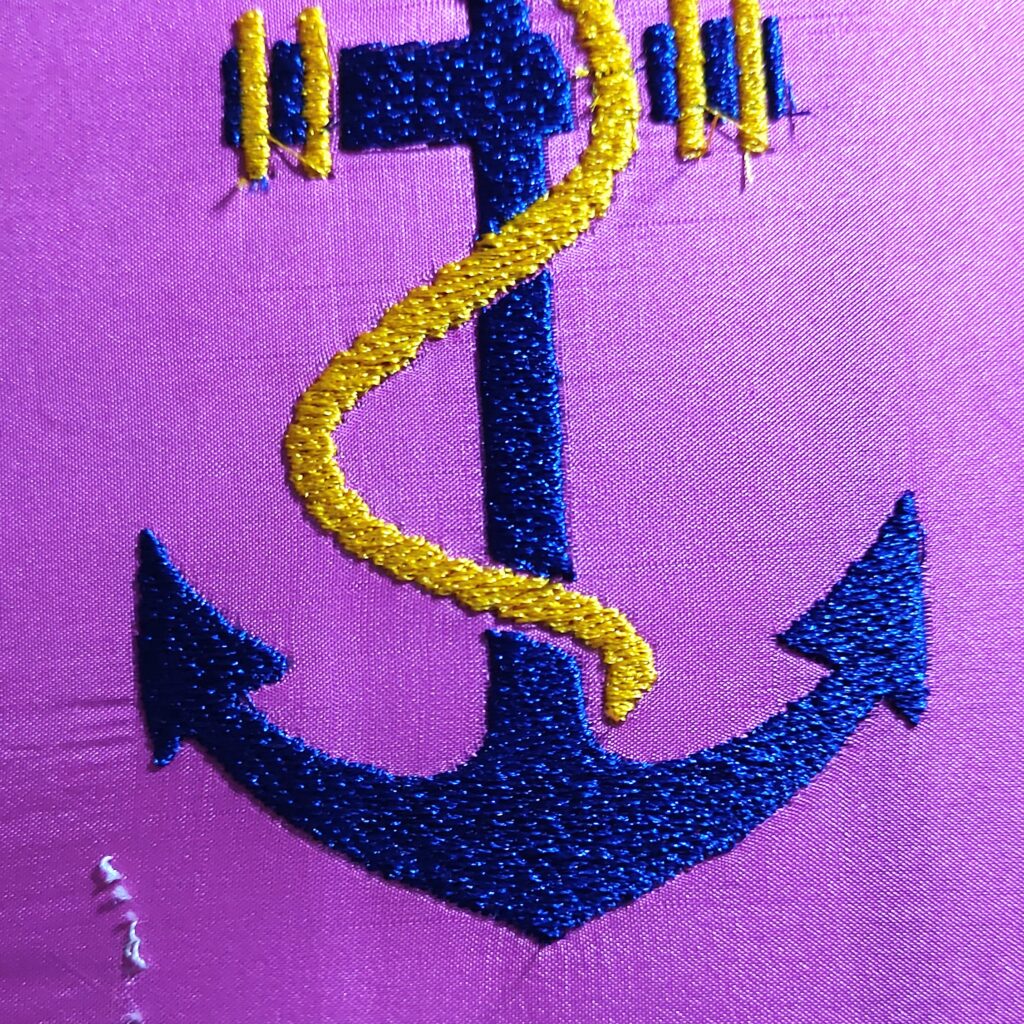
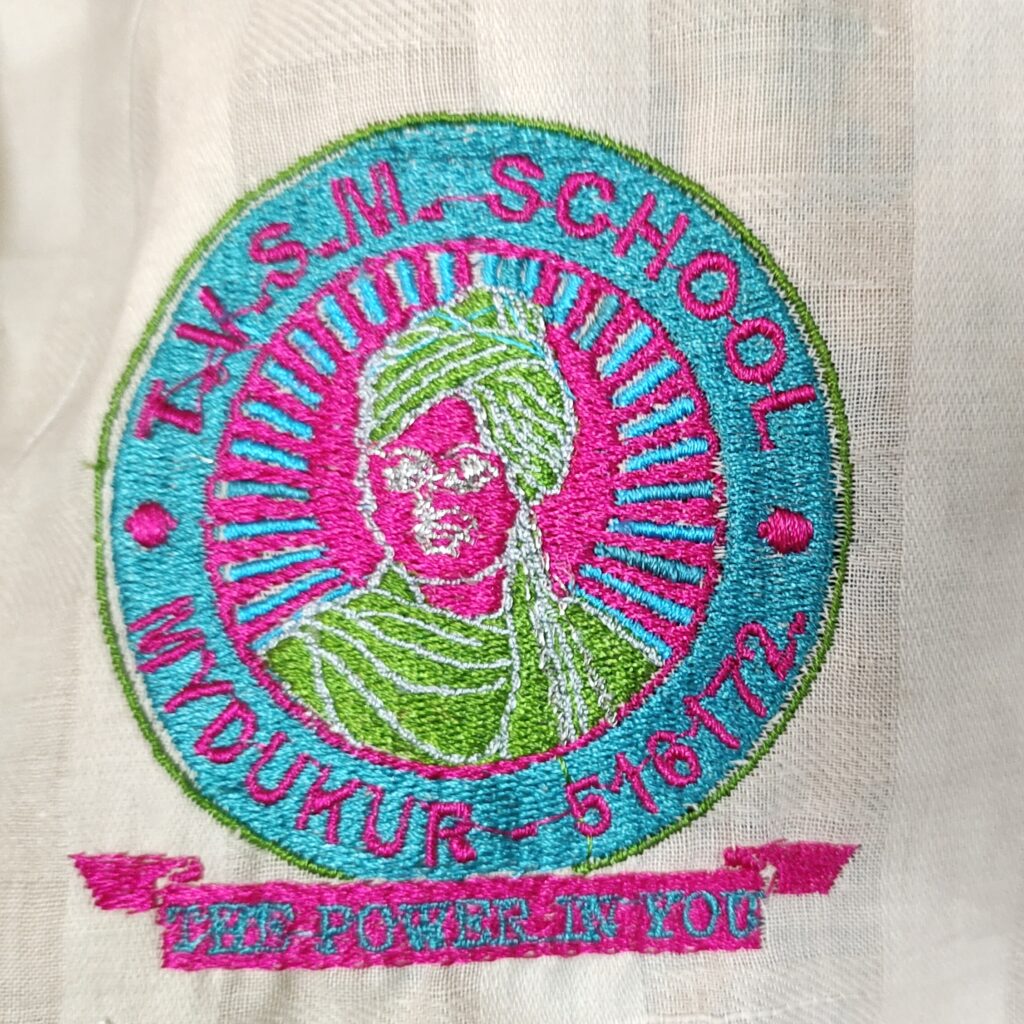
Computer Embroidery Logos on Shirts in Visakhapatnam

Computer Embroidery Logos on Shirts in Visakhapatnam

Shirts are more than just pieces of clothing—they’re powerful tools for branding, style, and identity. In Visakhapatnam, a growing city that beautifully blends tradition with modernity, businesses and individuals are turning to computer embroidery logos on shirts for a professional and stylish edge. Unlike screen printing or stickers, embroidery provides a classy and long-lasting finish that enhances the overall look of a shirt.

Why Choose Computer Embroidery for Logos?

Professional Appearance

Embroidery gives a three-dimensional, textured look that instantly adds sophistication to any shirt.

Durability

Unlike printed logos that fade with washing, embroidered logos remain intact for years.

Custom Design Flexibility

From small intricate logos to bold business branding, computer embroidery machines handle them with precision.

The Growing Popularity in Visakhapatnam

Visakhapatnam, also known as Vizag, is a hub for corporate offices, startups, educational institutions, and hospitality businesses. With increasing demand for uniforms and promotional wear, computer embroidery on shirts has become the go-to choice for branding. Whether it’s a college fest, a company event, or a startup launch, embroidered shirts speak professionalism and unity.

Benefits of Embroidered Logos on Shirts

1. Brand Identity

A shirt with a neat embroidered logo works as a moving advertisement.

2. Long-Term Investment

Though embroidery may cost more initially than printing, its longevity makes it more cost-effective.

3. Stylish & Trendy

In Vizag’s fashion-forward market, embroidered logos keep shirts looking elegant and modern.

4. Personalized Touch

Custom embroidery allows businesses, schools, and even individuals to add names, slogans, or initials.

Industries Using Embroidered Shirts in Vizag

  • Corporate Offices – For staff uniforms and promotional events.
  • Colleges & Schools – Customized shirts for students, teams, and clubs.
  • Hospitality Sector – Hotels and restaurants use embroidered uniforms for a polished look.
  • Sports Teams – Embroidered logos make jerseys and T-shirts stand out.

Question And Answers

1. Why is embroidery better than printing for logos on shirts?
Embroidery lasts longer, looks more premium, and withstands repeated washes better than printing.

2. Can small logos be embroidered on shirts?
Yes, modern computer embroidery machines can create detailed small logos with precision.

3. Is embroidery costly in Visakhapatnam?
While slightly more expensive than printing, embroidery is a long-term investment due to its durability.

4. Can I personalize shirts with my name along with a logo?
Absolutely! Many embroidery services in Vizag offer customization with names, initials, or slogans.

5. Where can I get computer embroidery services in Vizag?
There are multiple embroidery service providers and boutiques in Visakhapatnam specializing in shirt logo embroidery for businesses, colleges, and personal use.

Conclusion

In Visakhapatnam, computer embroidery logos on shirts are more than a trend—they’re a statement of class, durability, and identity. Whether you’re a small business owner, a college student, or part of a corporate team, investing in embroidery ensures your shirt carries a long-lasting impression.

Embroidery Works

Embroidery Stitching Works: Crafting Elegance with Every Thread

Embroidery stitching has been one of the oldest and most admired forms of textile decoration. From hand-sewn stitches to advanced computerized patterns, this craft has transformed into a beautiful blend of creativity and technology. Today, embroidery stitching works are not just about fashion; they are about identity, personalization, and timeless artistry.

What is Embroidery Stitching?

Embroidery stitching involves decorating fabric using threads, beads, sequins, or other embellishments. It can be done manually by artisans or through modern embroidery machines. The charm of embroidery lies in its versatility—whether it’s a simple floral design on a kurti or an intricate bridal blouse, stitching adds elegance to every outfit.

Types of Embroidery Stitching Works

  1. Hand Embroidery – Traditional and detailed, often used for heritage designs.
  2. Computer Embroidery – Machine-based precision stitching, perfect for bulk orders and uniform patterns.
  3. Maggam Work – Heavy embroidery with zari, beads, and sequins, popular in bridal wear.
  4. Chain and Satin Stitches – Decorative stitches that add texture and shine to fabrics.
  5. Appliqué Embroidery – Combining fabric pieces with embroidery for bold patterns.

Applications of Embroidery Stitching

  • Fashion Industry – Sarees, blouses, gowns, kurtis, and jackets feature embroidery for style and elegance.
  • Corporate Branding – Logos and names embroidered on uniforms, caps, and t-shirts.
  • Home Decor – Curtains, pillow covers, tablecloths, and wall hangings.
  • Personalized Gifts – Custom names, initials, or motifs on towels, bags, and handkerchiefs.

Why Embroidery Stitching Works Stand Out

Unlike printing or painting, embroidery stitching offers a rich, textured finish. It lasts longer, doesn’t fade easily, and gives garments a premium look. For weddings, parties, or formal events, embroidery instantly elevates the outfit, making it timeless and graceful.

Latest Trends in Embroidery Stitching

  • 3D Embroidery – Raised designs for a bold effect.
  • Sequin & Mirror Work – Adds glamour to party wear.
  • Minimalistic Embroidery – Simple, sleek patterns for modern fashion lovers.
  • Digital Customization – Personalized names and designs stitched with precision.

Question And Answers

1. What makes embroidery stitching better than prints?
Embroidery lasts longer, looks richer, and doesn’t fade easily compared to prints.

2. Can embroidery stitching be customized?
Yes, names, initials, and custom designs can be digitized or hand-stitched.

3. Is hand embroidery still popular?
Yes, especially for bridal wear and traditional outfits where personal detailing matters.

4. How does computer embroidery save time?
It uses digital patterns, allowing large orders to be completed within hours.

5. What fabrics are best for embroidery stitching?
Cotton, silk, and polyester are commonly used, though embroidery can be adapted for many fabrics.

Conclusion

Embroidery stitching works beautifully to bridge tradition and modernity. Whether hand-crafted or machine-stitched, embroidery adds a personal, elegant, and artistic touch to fabric. Its applications in fashion, decor, and branding make it one of the most versatile forms of textile art. For anyone who values uniqueness and durability, embroidery stitching is an unbeatable choice.

Maggam work

Computer Embroidery Maggam Works: Blending Tradition with Technology

Maggam work has always been one of the most admired forms of embroidery in traditional Indian wear. From bridal sarees to designer blouses, maggam designs bring richness and elegance to outfits. With the introduction of computer embroidery machines, maggam work has taken on a new avatar—faster, more detailed, and accessible to a wider audience. Today, computer embroidery maggam works are redefining fashion by combining tradition with cutting-edge technology.

What is Maggam Work?

Maggam work is a type of hand embroidery known for its heavy, intricate designs. It often includes zari, beads, stones, pearls, sequins, and mirrors, creating luxurious patterns that enhance traditional outfits. While hand maggam embroidery is still popular, it is time-consuming and requires skilled artisans. This is where computer embroidery steps in.

maggam style computer embroidery work

The Rise of Computer Embroidery in Maggam Works

With modern machines, maggam-style designs can be digitized and stitched with precision. These machines are capable of replicating heavy embroidery styles while saving time and ensuring uniformity. Brides, fashion designers, and boutique owners are increasingly opting for computer embroidery to get traditional maggam looks at a fraction of the time and cost.

Features of Computer Embroidery Maggam Works

  • Intricate Detailing: Machines can recreate complex floral and geometric maggam patterns.
  • Stone and Bead Compatibility: Many machines can handle add-ons like sequins and beads.
  • Durability: Stitches are tight, neat, and long-lasting.
  • Customization: Unique designs can be digitized for a personalized touch.
  • Efficiency: Large bridal orders can be completed in days instead of weeks.

Popular Uses of Maggam-Style Computer Embroidery

  1. Bridal Blouses – Heavily designed blouses with zari and stone work.
  2. Saree Borders – Elegant embroidered borders with floral, peacock, or paisley motifs.
  3. Lehengas – Heavy maggam-inspired designs on skirts and dupattas.
  4. Party Wear Gowns – Fusion wear with a blend of western cuts and traditional embroidery.
  5. Festive Wear – Salwars, kurtis, and dupattas with minimal yet graceful embroidery.

Why Choose Computerized Maggam Work?

People prefer computerized maggam embroidery because it saves time, reduces manual errors, and still delivers that royal handcrafted look. It also allows boutique owners to fulfill bulk orders without compromising on quality. For brides, it means quicker delivery of dream outfits with impeccable finishing.

Question And Answers

1. Is computerized maggam work as beautiful as hand maggam embroidery?
Yes, machines can replicate traditional patterns with high accuracy, and the finishing is equally attractive.

2. Can computer embroidery handle zari and beads?
Yes, advanced machines can stitch zari, beads, and sequins for rich maggam designs.

3. Is it cost-effective compared to hand embroidery?
Definitely! Computer embroidery reduces labor costs and is affordable for bulk orders.

4. How long does it take to complete a blouse with computerized maggam work?
Usually within a day or two, depending on the complexity of the design.

5. Is computerized maggam work durable?
Yes, the stitches are strong and last longer than many hand-done embroideries.

Conclusion

Computer embroidery maggam works are a perfect mix of old and new. They keep alive the richness of traditional maggam designs while making them more practical and widely available. Whether it’s for weddings, festivals, or fashion shows, computerized maggam embroidery ensures elegance, precision, and timeless beauty.

Why Customers Prefer Computer Embroidery

Latest Computer Embroidery Works: A Modern Touch to Traditional Art

Embroidery has been around for centuries, but today’s world is witnessing a revolution in this traditional craft. With the rise of computer embroidery works, designers and businesses are pushing boundaries, blending age-old stitching art with modern technology. From blouses and sarees to jackets and logos, computer embroidery has changed the way we look at customized fashion and branding.

What is Computer Embroidery?

Computer embroidery is the process of creating intricate designs using a computerized embroidery machine. Unlike hand embroidery, this method ensures precision, speed, and consistency. With just a digital design file, machines can stitch patterns that are nearly impossible to achieve by hand.

Why Computer Embroidery is Trending

  • Precision and Perfection – Machines follow exact digital patterns without error.
  • Time-Saving – Large orders can be completed in hours instead of weeks.
  • Customization – From names to logos, everything can be stitched as per requirement.
  • Durability – Designs last longer compared to printed or painted decorations.

Popular Applications of Computer Embroidery

  1. Fashion Industry – Sarees, blouses, lehengas, and jackets often feature detailed embroidery.
  2. Corporate Branding – Businesses use embroidered logos on uniforms, caps, and t-shirts.
  3. Home Decor – Curtains, pillow covers, and table cloths get a premium look.
  4. Event Gifts – Custom embroidered items are trending as wedding and corporate gifts.

Latest Trends in Computer Embroidery Works

  • 3D Puff Embroidery: Raised patterns that stand out, mostly used on caps and jackets.
  • Sequin and Bead Embroidery: Machines can now stitch sequins along with threads, giving garments a glamorous touch.
  • Appliqué Embroidery: Attaching fabric pieces with embroidery for bold designs.
  • Metallic Thread Work: Gold and silver threads for a royal finish.
  • Digital Personalization: Names and initials embroidered for a personal touch.

Why Customers Prefer Computer Embroidery

People today want unique fashion that reflects their style. Computer embroidery offers endless design options, faster delivery, and long-lasting results. Unlike hand embroidery, where human error can occur, computerized stitching ensures consistency, even in bulk orders.

Maggam work has always been one of the most admired forms of embroidery in traditional Indian wear. From bridal sarees to designer blouses, maggam designs bring richness and elegance to outfits. With the introduction of computer embroidery machines, maggam work has taken on a new avatar—faster, more detailed, and accessible to a wider audience. Today, computer embroidery maggam works are redefining fashion by combining tradition with cutting-edge technology.

Question And Answers

1. What is the difference between hand embroidery and computer embroidery?
Hand embroidery is manual and time-consuming, while computer embroidery is faster, precise, and more consistent.

2. Can computer embroidery be done on all fabrics?
Yes, but the results vary depending on the fabric type. Cotton, silk, and polyester work best.

3. Is computer embroidery expensive?
Not necessarily. It is cost-effective for bulk orders and long-lasting compared to prints.

4. Can I customize my own design for embroidery?
Absolutely! Just provide a digital design or logo, and the machine will replicate it.

5. Where is computer embroidery mostly used today?
It’s popular in fashion wear, corporate branding, home décor, and personalized gifting.

Final Conclusion.

The latest computer embroidery works are not just about fashion—they represent creativity, technology, and personalization. From stylish ethnic wear to professional branding, this art form continues to shape industries worldwide. Whether you are a fashion lover, a business owner, or someone looking for personalized gifts, computer embroidery is the perfect blend of tradition and modernity.

Thread Machine

Thread Work Machine: Crafting Elegance with Precision

Thread work is one of the most admired decorative techniques in the textile world. It involves stitching colorful threads into fabric to create beautiful patterns, textures, and designs. While traditional handwork still holds charm, the thread work machine has transformed the way embroidery is done. From fashion industries to small tailoring shops, these machines are now an essential tool for creating stylish, durable, and artistic designs.

What is a Thread Work Machine?

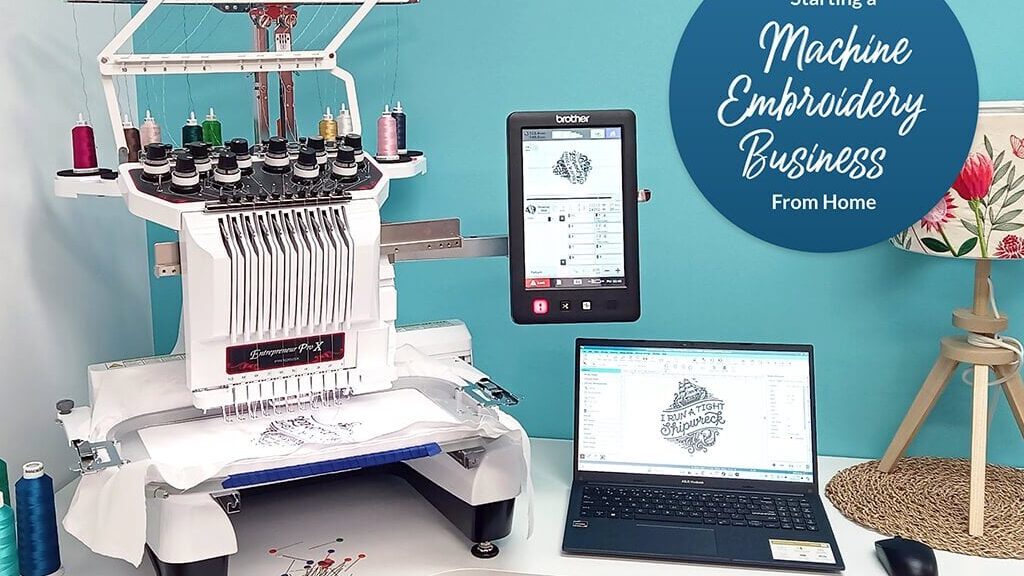
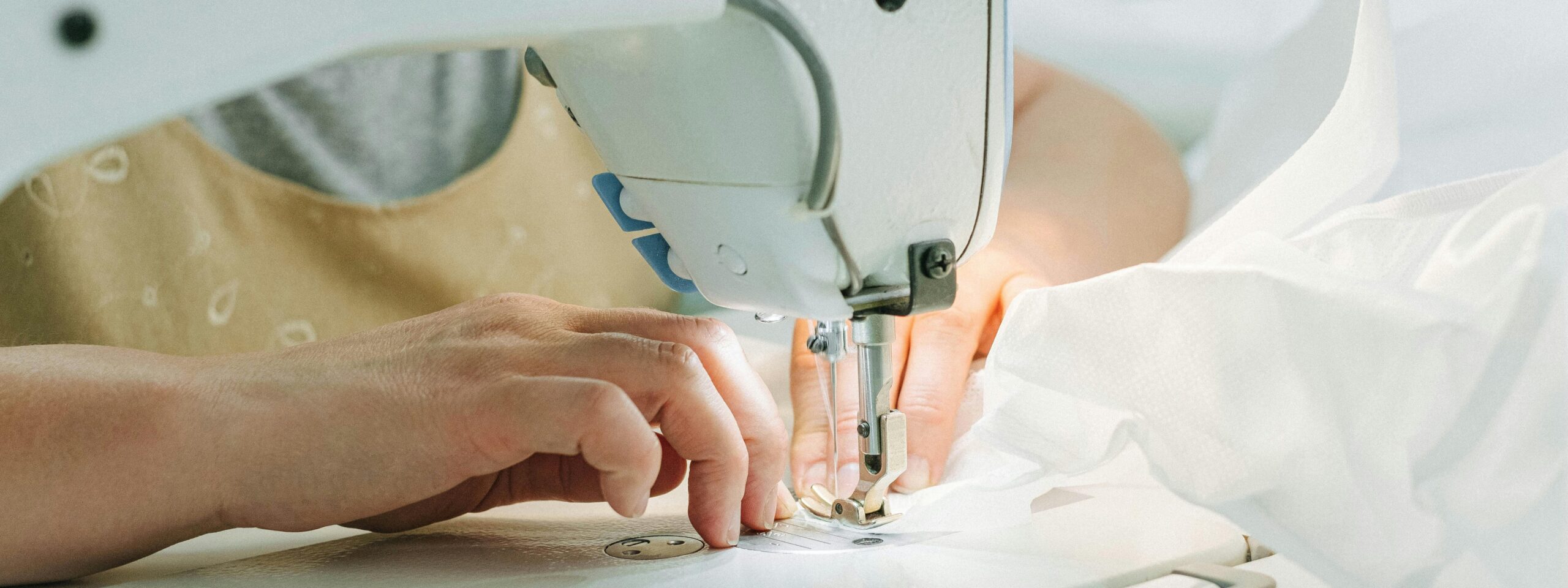
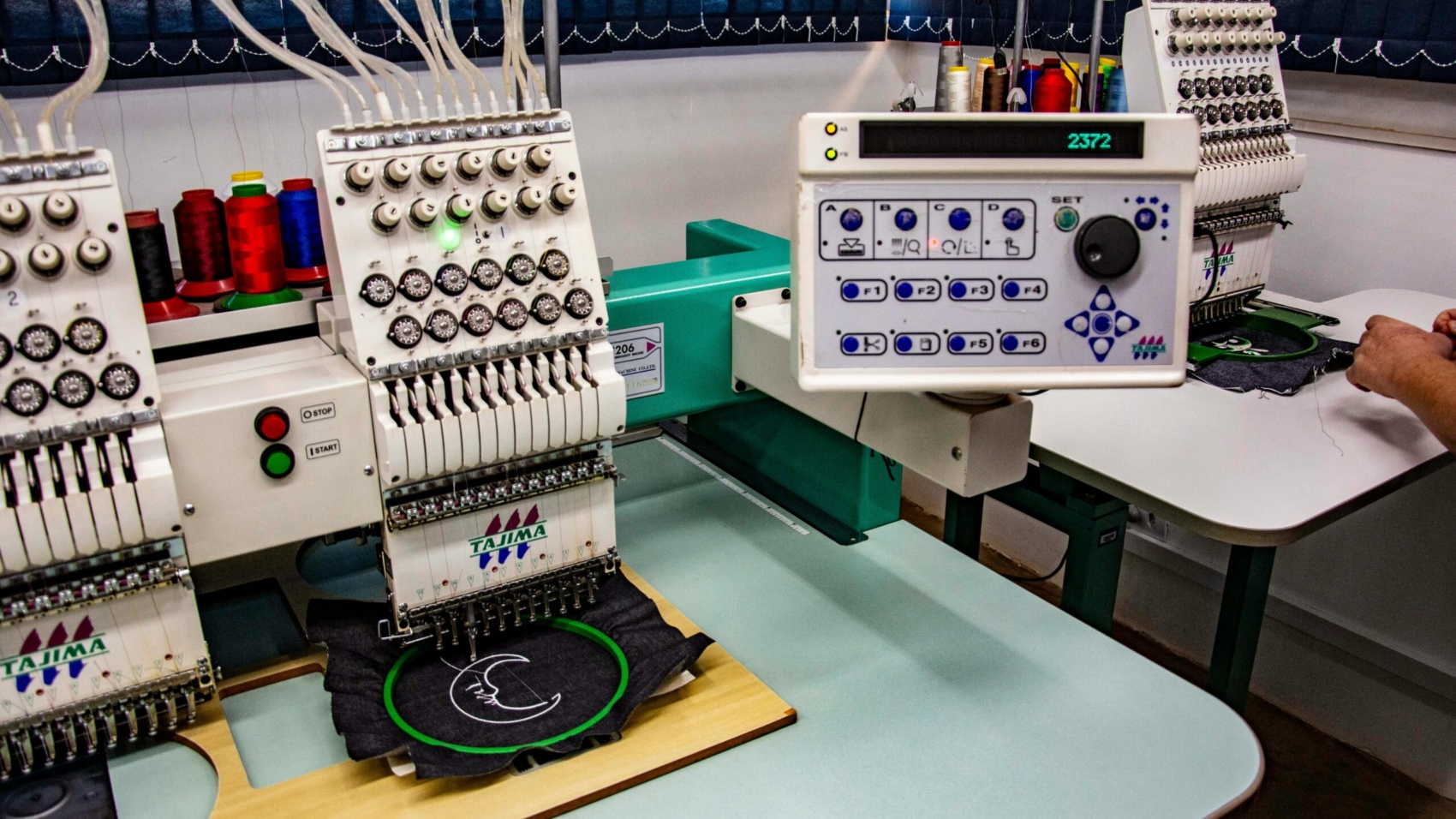
A thread work machine is a specialized embroidery machine designed to stitch intricate patterns using threads of different colors. Unlike simple sewing machines, thread work machines focus on decorative stitching, allowing users to create logos, motifs, floral designs, and even custom art on fabric.

Types of Thread Work Machines

Single-Needle Machines

Great for beginners, these machines work like standard sewing machines but with embroidery functions.

Multi-Needle Machines

Perfect for professionals, they use multiple colors at once, saving time and effort in switching threads.

Computerized Thread Work Machines

The most advanced, allowing users to import digital designs and create precise, high-quality embroidery automatically.

Key Features of Thread Work Machines

  • Automatic Thread Tension for smoother stitching.
  • Multiple Hoops to fit different fabric sizes.
  • Design Import Options via USB or software.
  • High-Speed Operation for bulk production.
  • LCD or Touchscreen Panels to preview designs before stitching.

Benefits of Using a Thread Work Machine

  • Time Efficiency – Works faster than hand embroidery.
  • Consistency – Every piece looks neat and professional.
  • Creativity – Allows thousands of design variations.
  • Durability – Thread work lasts longer compared to prints.
  • Versatility – Works on clothes, bags, caps, and even home décor fabrics.

Applications of Thread Work Machines

  1. Fashion Industry – Saree blouses, jackets, dresses, and ethnic wear.
  2. Corporate Branding – Logos on uniforms, caps, and bags.
  3. Home Furnishing – Pillow covers, curtains, tablecloths, and wall décor.
  4. Gift Personalization – Names, initials, and monograms for unique gifts.

Tips to Maintain a Thread Work Machine

  • Clean regularly to remove dust and lint.
  • Use high-quality threads and needles to prevent breakage.
  • Lubricate moving parts as recommended.
  • Store in a dry, dust-free place.

Question And Answers

1. Can a beginner use a thread work machine?
Yes, modern machines are designed with user-friendly features for beginners.

2. Is thread work machine embroidery long-lasting?
Yes, it is durable and withstands multiple washes when cared for properly.

3. What fabrics are suitable for thread work machines?
Cotton, silk, denim, linen, and even wool can be embroidered.

4. How is it different from a normal sewing machine?
Sewing machines join fabrics, while thread work machines decorate fabrics with designs.

5. Do computerized machines need software updates?
Yes, keeping the software updated ensures access to the latest design features.

Final Conclusion

A thread work machine is more than just equipment—it’s a creative partner for designers, tailors, and businesses. It brings speed, accuracy, and elegance to embroidery, making it a must-have in today’s textile industry. Whether for personal projects or large-scale production, these machines help turn fabric into masterpieces with every stitch.

Embroidery Machine

Embroidering Work Machine: Transforming Fabric into Art

Embroidery has always been a treasured art form, adding beauty and elegance to clothing, home décor, and accessories. While hand embroidery remains special, the demand for faster and more precise work has led to the rise of the embroidering work machine. These machines have revolutionized the textile industry by blending traditional artistry with modern technology.

What is an Embroidering Work Machine?

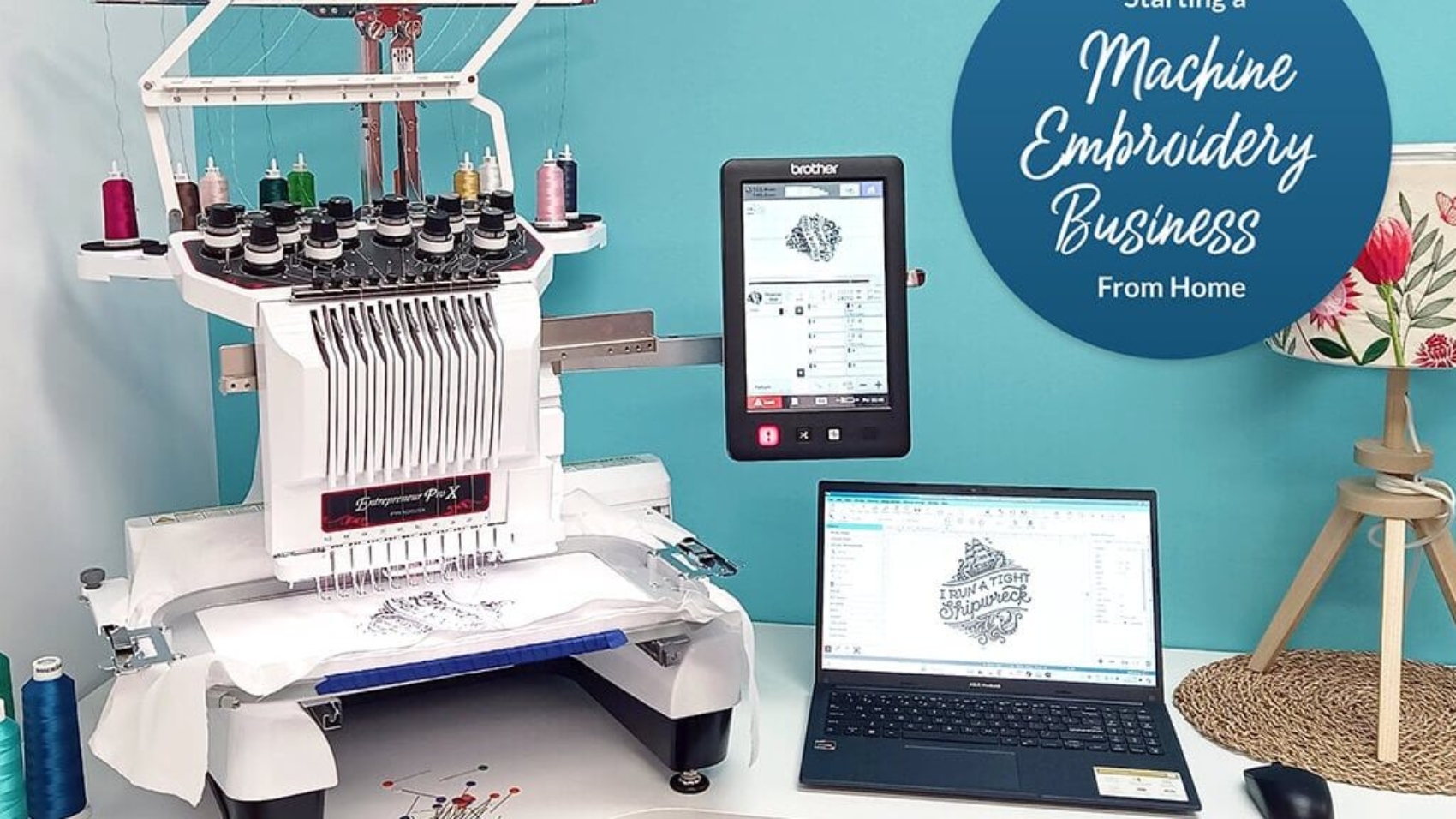
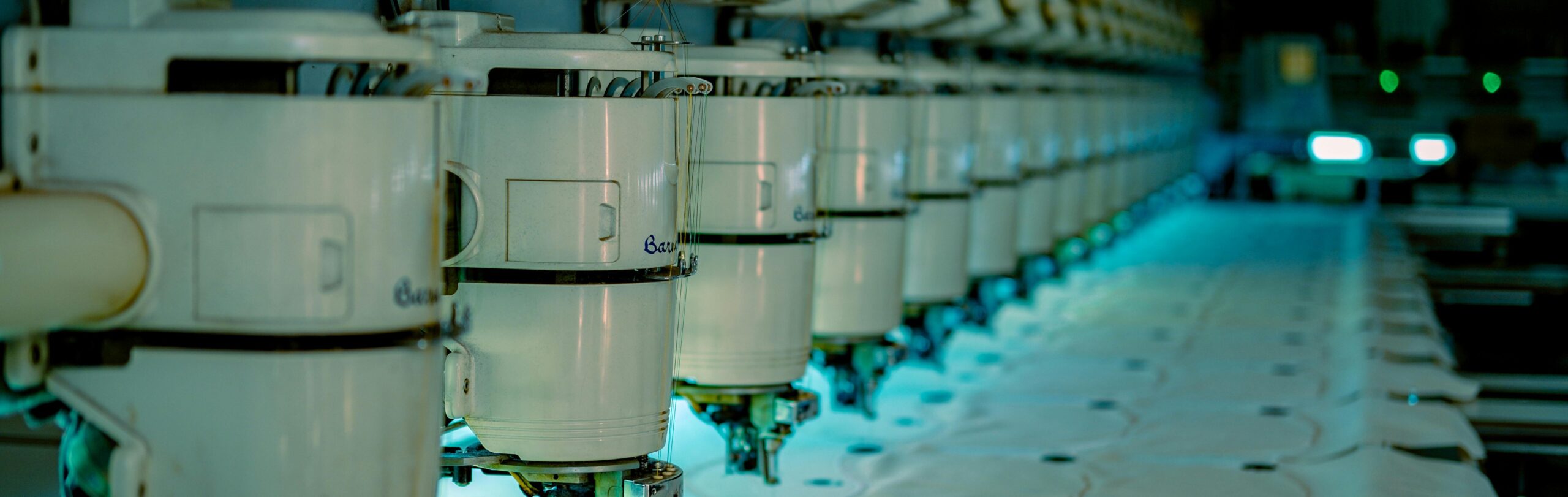
An embroidering work machine is a device designed to stitch decorative patterns on fabric. Unlike regular sewing machines, embroidery machines are built to create intricate designs with precision. They can handle patterns ranging from simple floral stitches to highly detailed logos and motifs.

Types of Embroidery Machines

Single-Needle Embroidery Machines

Best for beginners and small businesses, these machines operate like traditional sewing machines but with embroidery features. They are perfect for personalized projects.

Multi-Needle Embroidery Machines

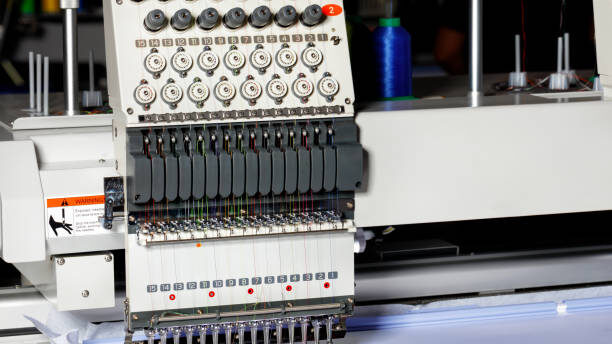
Ideal for professionals and commercial use, these machines hold multiple thread colors at once, allowing complex and colorful designs without constant re-threading.

Computerized Embroidery Machines

The most advanced type, these machines are connected to computers and can follow digital patterns. They allow users to import designs, adjust sizes, and create flawless embroidery quickly.

Computer Embroidery Machine

Key Features of Modern Embroidery Machines

  • Automatic Threading – Saves time and effort.
  • Multiple Hoops & Frames – For stitching on different fabric sizes.
  • USB & Design Import Options – To customize patterns easily.
  • High-Speed Stitching – Perfect for mass production.
  • LCD Display Panels – Allowing easy control and preview of designs.

Advantages of Using an Embroidering Work Machine

  • Time-Saving – Produces designs much faster than hand embroidery.
  • Precision – Ensures neat, accurate, and professional finishes.
  • Versatility – Works on garments, jackets, caps, bags, and home décor fabrics.
  • Customization – Users can create unique, personalized designs.
  • Durability – Machine embroidery threads are strong and long-lasting.

Applications of Embroidery Machines

  1. Fashion Industry – Designers use them for blouses, sarees, jackets, and dresses.
  2. Corporate Branding – Logos on uniforms, caps, and bags.
  3. Home Furnishings – Curtains, pillow covers, tablecloths, and wall hangings.
  4. Personalized Gifts – Monograms and custom embroidery on clothes and accessories.

How to Maintain an Embroidering Work Machine

  • Clean regularly to avoid thread and lint buildup.
  • Oil moving parts for smooth functioning.
  • Use quality threads and needles to prevent breakage.
  • Update software (for computerized machines) to access modern designs.

Question And Answers

1. Can beginners use embroidery machines easily?
Yes, modern machines come with user-friendly features, making them suitable for beginners.

2. Which is better: hand embroidery or machine embroidery?
Hand embroidery offers uniqueness, while machine embroidery provides speed and precision.

3. What fabrics can embroidery machines handle?
Most machines work on cotton, silk, denim, linen, and even leather.

4. Is a computerized embroidery machine worth it?
Yes, it offers advanced features, digital design imports, and high-quality results.

5. How long can an embroidery machine last?
With proper care, embroidery machines can last many years, even with daily use.

Final Conclusion

An embroidering work machine is more than just a tool—it’s a gateway to creativity and efficiency. Whether you’re a hobbyist or running a professional embroidery business, these machines help transform plain fabric into stunning, lasting artwork. They combine tradition with technology, keeping embroidery alive in the modern fashion world.

Jacket Embroidery Works

Jacket Embroidery Works: Adding Style and Personality to Outerwear

Jackets are no longer just about keeping warm—they’ve become style statements. One of the best ways to make a jacket unique and eye-catching is through embroidery. Jacket embroidery works combine creativity, craftsmanship, and fashion to create pieces that stand out in any crowd. From subtle initials to bold patterns, embroidery transforms jackets into personalised works of art.

The Appeal of Jacket Embroidery

Embroidery on jackets is more than just decoration—it’s about identity and style. A simple denim or bomber jacket can turn into a head-turner with floral patterns, bold motifs, or even customized logos. Unlike printed designs, embroidery offers texture, durability, and a premium feel.

Types of Jacket Embroidery Works

Hand Embroidery

Perfect for one-of-a-kind jackets, hand embroidery gives an artisanal touch. Each stitch adds character, making the piece unique.

Machine Embroidery

Machine embroidery is ideal for detailed designs on multiple jackets. It’s neat, consistent, and cost-effective for fashion brands.

Computerized Embroidery

This modern method is used for precision work, such as brand logos, sports team jackets, or corporate uniforms. It ensures flawless and identical results on every piece.

Popular Embroidery Styles on Jackets

  • Floral Patterns – Perfect for denim or casual jackets to add a feminine and chic vibe.
  • Tribal and Ethnic Motifs – Bold and traditional, giving jackets a cultural edge.
  • Lettering and Logos – Used for branding, team uniforms, or personalized initials.
  • Abstract and Modern Art – Adds a contemporary, fashion-forward touch.

Fabric Choices for Embroidered Jackets

  • Denim – The most popular canvas for embroidery.
  • Leather – Often embroidered with minimal, bold designs.
  • Cotton & Linen Jackets – Lightweight and easy for colorful embroidery.
  • Wool & Blazers – Embroidery adds sophistication to formal wear.

Why Choose Embroidered Jackets?

  • Unique Style – No two embroidered jackets look the same.
  • Durability – Embroidery lasts longer than printed patterns.
  • Personal Branding – Great for companies, sports teams, and creative individuals.
  • Versatility – Works well for casual wear, fashion runways, and corporate events.

Caring for Embroidered Jackets

  • Always wash gently or dry clean to protect the stitches.
  • Avoid ironing directly on embroidery.
  • Store in a cool, dry place to prevent thread damage.

Question And Answers

1. Can embroidery be done on leather jackets?
Yes, but usually with simple, bold designs to avoid damaging the leather.

2. Is embroidery on jackets durable?
Yes, embroidery is long-lasting and stronger than prints if cared for properly.

3. What type of jacket is best for embroidery?
Denim jackets are the most common, but cotton, linen, and even blazers work well.

4. Can I customize my initials on a jacket?
Absolutely—personalized monogram embroidery is very popular.

5. Is jacket embroidery expensive?
The cost depends on design complexity and technique, but it’s considered a worthwhile investment for unique fashion.

Final Conclusion

Jacket embroidery works beautifully merge tradition with modern fashion. Whether you prefer a delicate floral on a denim jacket, a bold tribal design on leather, or a company logo on a bomber, embroidery makes jackets more stylish and personal. It’s not just fashion—it’s wearable art that reflects your personality.

Embroidery Works

Embroidery Works: The Art of Thread and Creativity

Embroidery works are more than just designs on fabric—they’re a blend of tradition, creativity, and skill. Whether stitched by hand or created with advanced machines, embroidery adds depth, elegance, and character to any piece of cloth.

What is Embroidery?

Embroidery is the art of decorating fabric with threads, beads, sequins, or other decorative materials. It transforms plain fabric into something extraordinary, turning it into wearable art or stylish decor.

The History of Embroidery Works

Embroidery dates back thousands of years. From royal garments decorated with gold threads to tribal communities adding colorful patterns to their clothes, embroidery has always been part of cultural identity. Even today, it connects us with history while staying relevant in fashion.

Why Embroidery is Timeless

Unlike fast fashion trends, embroidery never loses its charm. It represents patience, creativity, and individuality. Each embroidered piece tells a story, making it timeless and unique.

Types of Embroidery Techniques

Hand Embroidery

The most traditional form, where artisans use needle and thread to create intricate patterns.

Machine Embroidery

A faster method that allows mass production while maintaining quality.

Computerized Embroidery

Modern technology ensures flawless, precise designs for logos, uniforms, and fashion brands.

Popular Embroidery Styles

  • Zardosi – Luxurious golden thread embroidery often used in wedding outfits.
  • Kantha – Simple running stitches from Bengal with folk-art beauty.
  • Phulkari – Colorful floral embroidery from Punjab.
  • Mirror Work – Sparkling designs from Gujarat and Rajasthan.

Uses of Embroidery in Fashion

From blouses and sarees to shirts, jackets, and accessories, embroidery elevates fashion. Brands and designers often use embroidery to give clothing a premium and artistic touch.

Embroidery in Home Decor

Cushions, curtains, bed covers, and wall hangings with embroidery bring charm to interiors. They add warmth, personality, and traditional flair to modern homes.

Modern Trends in Embroidery Works

Today, embroidery has evolved into a mix of tradition and innovation. Minimalist embroidery on western wear, embroidered logos for businesses, and digital embroidery patterns are gaining popularity.

How to Care for Embroidered Fabrics

  • Always hand wash or dry clean delicate embroidery.
  • Avoid strong detergents that can damage threads.
  • Store in cotton or muslin cloth to protect the design.

Question And Answers

1. What is the main purpose of embroidery?
To decorate fabric with creative designs that enhance its beauty.

2. Which embroidery is best for weddings?
Zardosi and Aari embroidery are perfect for bridal wear.

3. Can embroidery be done on any fabric?
Yes, but silk, cotton, and linen are most commonly used.

4. Is machine embroidery better than hand embroidery?
Machine embroidery is faster, but hand embroidery is unique and personal.

5. How do I keep embroidery looking new?
Proper washing, storage, and avoiding harsh sunlight will help preserve it.

Final Conclusion

Embroidery works are not just stitches on fabric—they’re a language of art that speaks through colors, patterns, and creativity. Whether it’s for fashion, decor, or branding, embroidery continues to be a timeless craft that bridges the past with the present.

Blouse Embroidery

Blouse Embroidery: A Timeless Fashion Statement

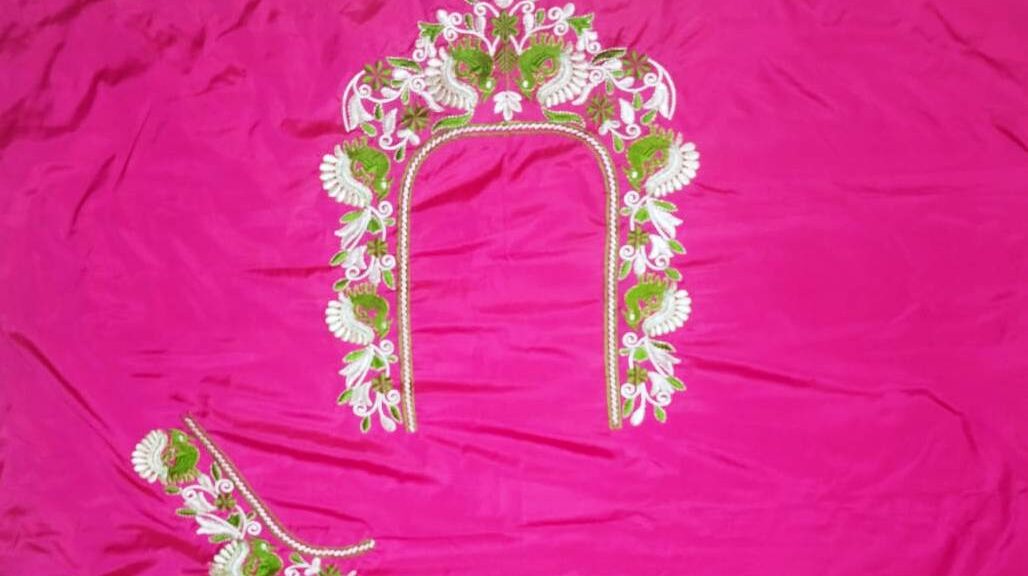
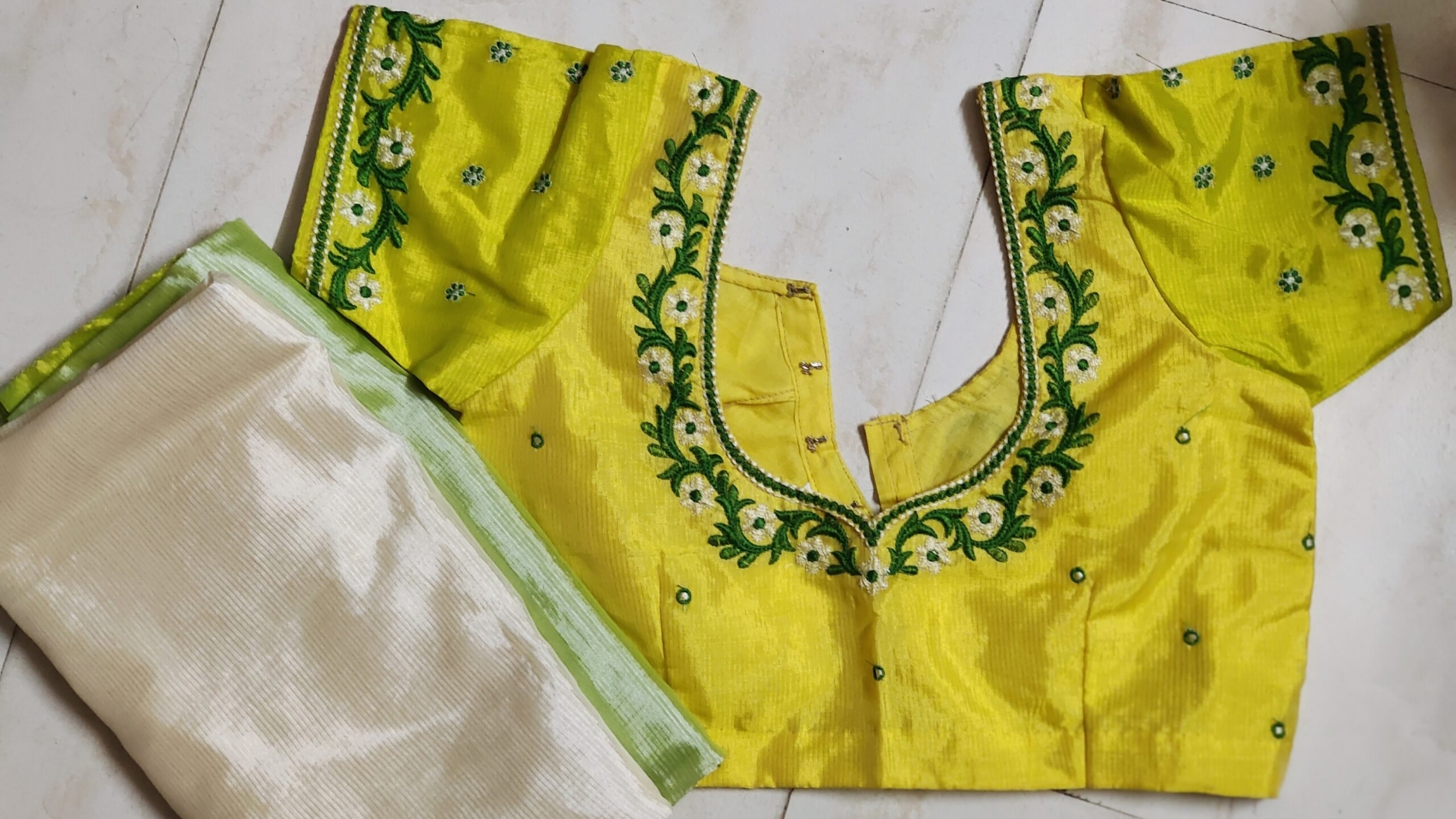
Blouse embroidery has always been a favorite choice among women who want to add elegance and beauty to their outfits. Whether paired with a saree or lehenga, an embroidered blouse enhances the entire look and makes a powerful style statement.

What is Blouse Embroidery?

Blouse embroidery refers to the art of decorating blouses with colorful threads, beads, sequins, and other decorative elements. It’s not just fashion—it’s craftsmanship that tells a story through patterns and textures.

The History of Embroidery on Blouses

Embroidery has been part of Indian fashion for centuries. In royal times, queens and noblewomen adorned their blouses with heavy gold and silver threads, making them luxurious and unique. Over time, embroidery styles evolved but never went out of fashion.

Why Embroidery is Popular in Blouse Designs

Embroidery gives a blouse a personalized, stylish touch. It can be subtle for daily wear or grand for weddings. Unlike plain blouses, embroidery adds richness, depth, and creativity, making it stand out.

Different Types of Embroidery Techniques

Hand Embroidery

Traditional and timeless, hand embroidery involves skilled artisans creating patterns with needle and thread.

Machine Embroidery

Machine work allows faster production while still maintaining design quality.

Computerized Embroidery

Perfect for precision, this modern method offers flawless detailing and consistency in designs.

Popular Embroidery Designs for Blouses

  • Floral Patterns – Delicate roses, lotuses, and vines for a feminine charm.
  • Geometric Designs – Symmetrical shapes for a modern look.
  • Traditional Motifs – Peacocks, paisleys, and temple art bring cultural richness.
  • Modern Abstracts – Trendy, bold designs for fashion-forward women.

Regional Styles of Blouse Embroidery

  • Zardosi – Luxurious gold thread embroidery.
  • Kantha – Simple, running stitches from Bengal.
  • Mirror Work – Vibrant Gujarati style with tiny mirrors.
  • Aari Embroidery – Fine, intricate needlework from Kashmir.

Fabric Choices for Embroidered Blouses

Silk, velvet, cotton, and georgette are popular fabrics. Silk highlights traditional embroidery, while cotton is perfect for everyday elegance.

Occasions to Wear Embroidered Blouses

From casual gatherings to festive occasions, embroidered blouses fit every mood. Heavy embroidery is perfect for weddings, while minimal embroidery works well for office wear.

Blouse Embroidery for Weddings and Festive Wear

No Indian wedding wardrobe is complete without a heavily embroidered blouse. Gold, sequins, and zari work make the bride shine on her big day.

Everyday Fashion with Embroidered Blouses

Light embroidery on cotton or linen blouses creates a stylish yet comfortable outfit for daily wear, making embroidery practical and fashionable.

Mixing Traditional and Modern Styles

Pairing classic embroidery with modern cuts, like backless or off-shoulder blouses, creates a chic fusion look.

How to Care for Embroidered Blouses

  • Dry clean heavy embroidery.
  • Avoid direct sunlight to prevent fading.
  • Store in muslin cloth to protect delicate threads.

Tips for Styling Embroidered Blouses

  • Pair heavily embroidered blouses with plain sarees for balance.
  • Use minimal jewelry if the blouse is already detailed.
  • Experiment with colors—contrast embroidery can make you stand out.

Question And Answers

1. Which embroidery is best for wedding blouses?
Zardosi and Aari embroidery are perfect for weddings due to their rich detailing.

2. Can embroidered blouses be worn daily?
Yes, light embroidery on cotton or georgette is ideal for daily wear.

3. How long does blouse embroidery last?
With proper care, embroidered blouses can last for years without losing their charm.

4. What is trending in blouse embroidery today?
Fusion embroidery that mixes modern cuts with traditional designs is in trend.

5. Which fabric is best for embroidery?
Silk is the most popular for rich embroidery, while cotton suits casual embroidered designs.

Final Conclusion

Blouse embroidery is not just a fashion trend—it’s an art form that blends tradition with style. Whether you prefer subtle handwork or grand zari designs, an embroidered blouse always adds elegance and charm to your wardrobe.