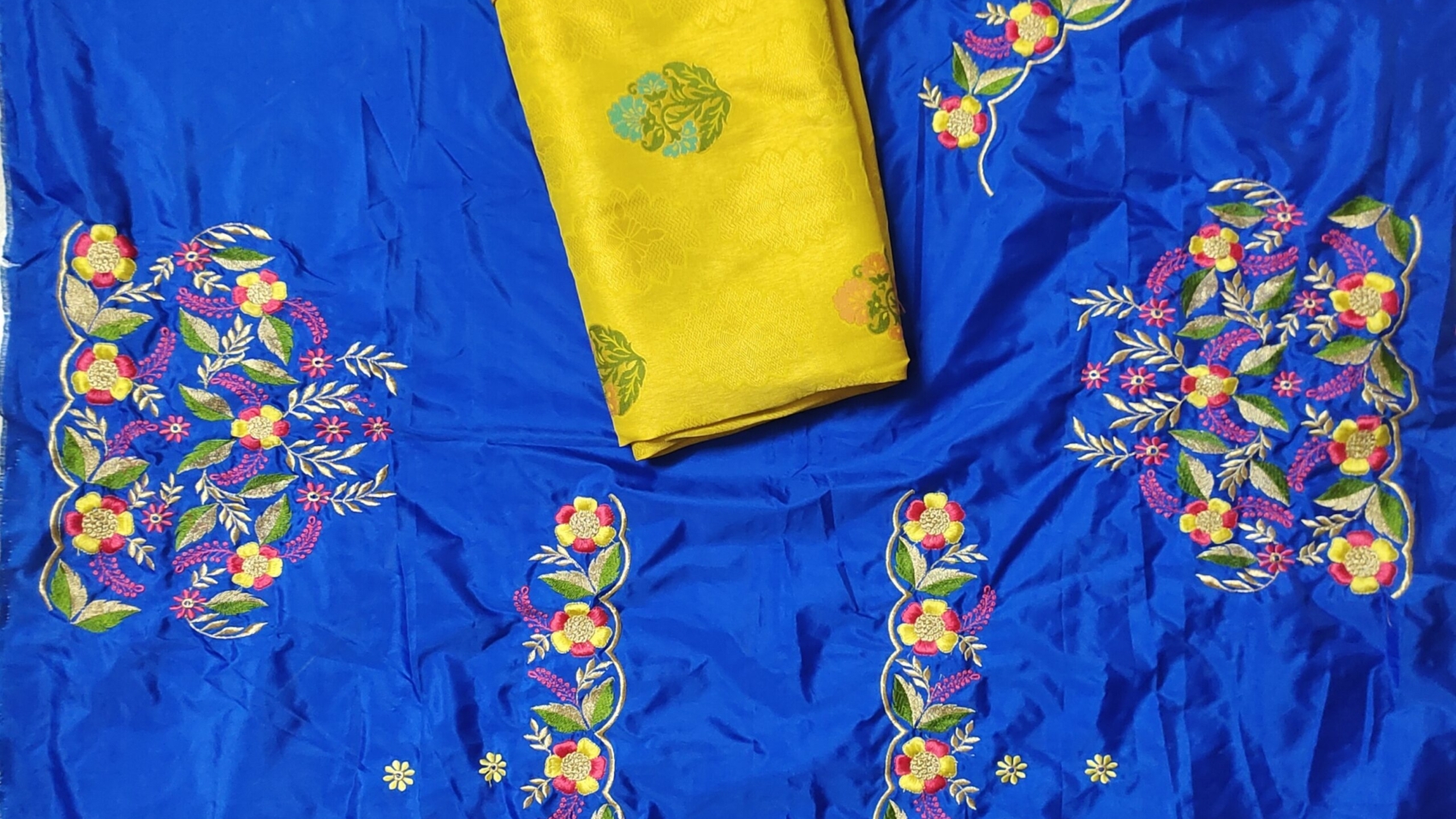
Embroidery works are more than just designs on fabric—they’re a blend of tradition, creativity, and skill. Whether stitched by hand or created with advanced machines, embroidery adds depth, elegance, and character to any piece of cloth.
What is Embroidery?
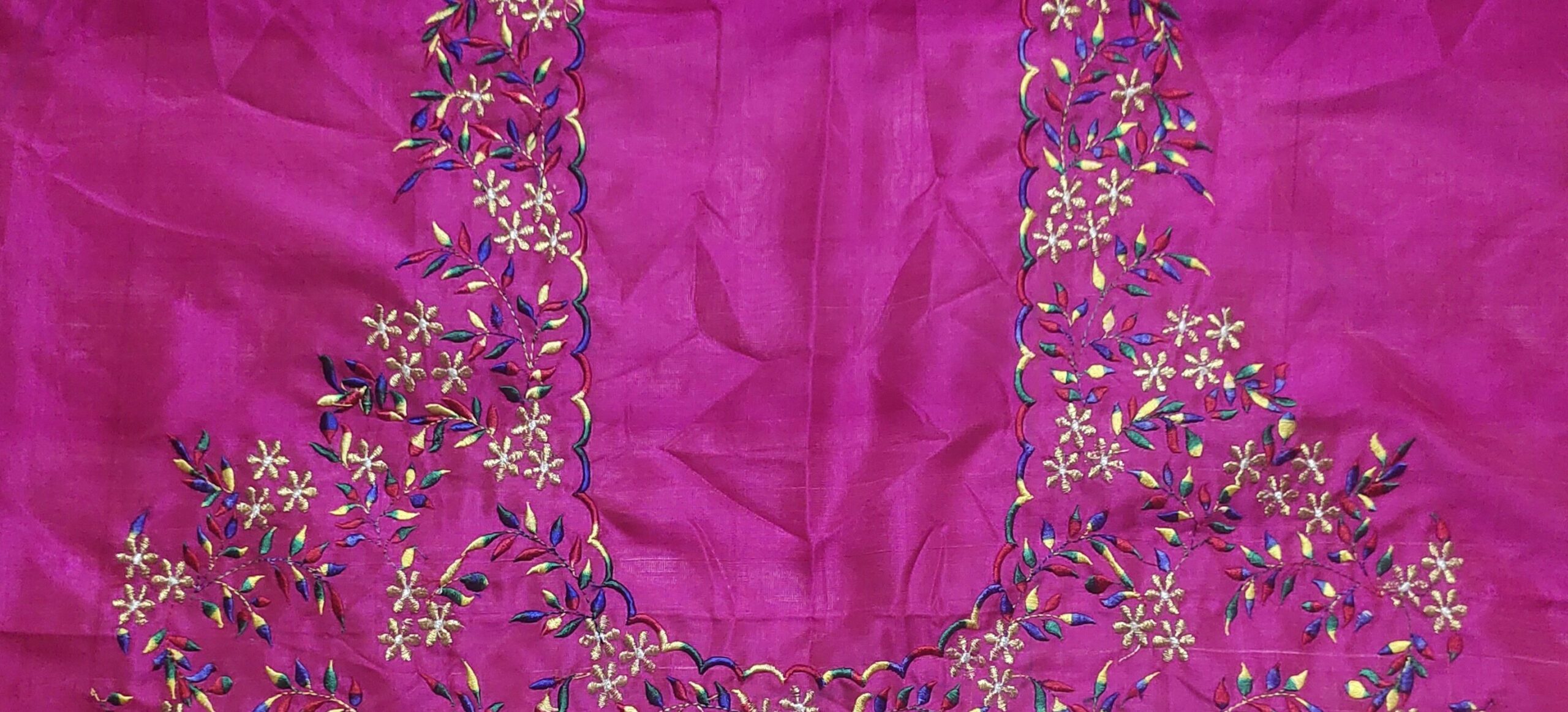
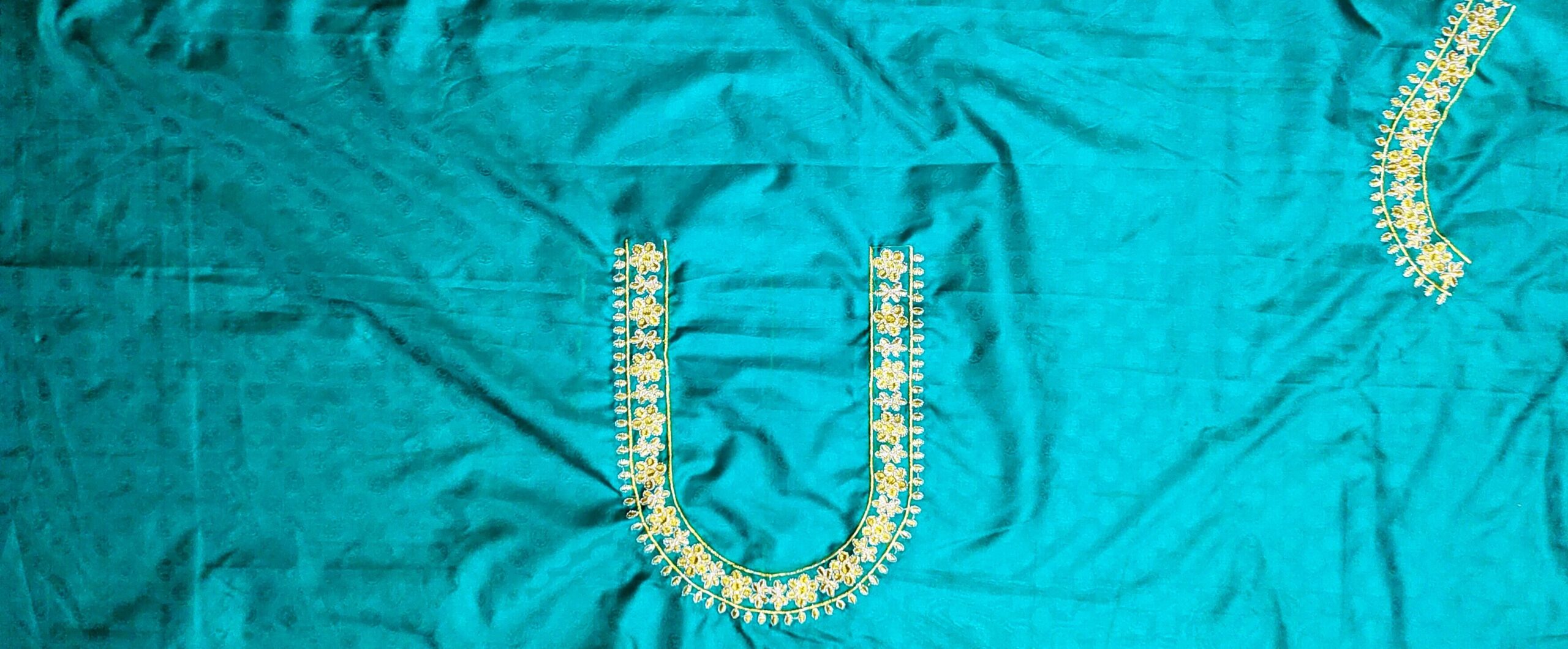
Embroidery is the art of decorating fabric with threads, beads, sequins, or other decorative materials. It transforms plain fabric into something extraordinary, turning it into wearable art or stylish decor.
The History of Embroidery Works
Embroidery dates back thousands of years. From royal garments decorated with gold threads to tribal communities adding colorful patterns to their clothes, embroidery has always been part of cultural identity. Even today, it connects us with history while staying relevant in fashion.
Why Embroidery is Timeless
Unlike fast fashion trends, embroidery never loses its charm. It represents patience, creativity, and individuality. Each embroidered piece tells a story, making it timeless and unique.
Types of Embroidery Techniques
Hand Embroidery
The most traditional form, where artisans use needle and thread to create intricate patterns.
Machine Embroidery
A faster method that allows mass production while maintaining quality.
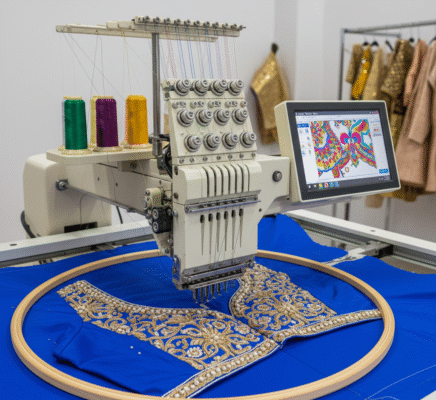
Computerized Embroidery
Modern technology ensures flawless, precise designs for logos, uniforms, and fashion brands.
Popular Embroidery Styles
- Zardosi – Luxurious golden thread embroidery often used in wedding outfits.
- Kantha – Simple running stitches from Bengal with folk-art beauty.
- Phulkari – Colorful floral embroidery from Punjab.
- Mirror Work – Sparkling designs from Gujarat and Rajasthan.
Uses of Embroidery in Fashion
From blouses and sarees to shirts, jackets, and accessories, embroidery elevates fashion. Brands and designers often use embroidery to give clothing a premium and artistic touch.
Embroidery in Home Decor
Cushions, curtains, bed covers, and wall hangings with embroidery bring charm to interiors. They add warmth, personality, and traditional flair to modern homes.
Modern Trends in Embroidery Works
Today, embroidery has evolved into a mix of tradition and innovation. Minimalist embroidery on western wear, embroidered logos for businesses, and digital embroidery patterns are gaining popularity.
How to Care for Embroidered Fabrics
- Always hand wash or dry clean delicate embroidery.
- Avoid strong detergents that can damage threads.
- Store in cotton or muslin cloth to protect the design.
Question And Answers
1. What is the main purpose of embroidery?
To decorate fabric with creative designs that enhance its beauty.
2. Which embroidery is best for weddings?
Zardosi and Aari embroidery are perfect for bridal wear.
3. Can embroidery be done on any fabric?
Yes, but silk, cotton, and linen are most commonly used.
4. Is machine embroidery better than hand embroidery?
Machine embroidery is faster, but hand embroidery is unique and personal.
5. How do I keep embroidery looking new?
Proper washing, storage, and avoiding harsh sunlight will help preserve it.
Final Conclusion
Embroidery works are not just stitches on fabric—they’re a language of art that speaks through colors, patterns, and creativity. Whether it’s for fashion, decor, or branding, embroidery continues to be a timeless craft that bridges the past with the present.